Have you ever wondered if a smaller cryptocurrency exchange can actually compete with giants like Binance or Coinbase? ZKE Exchange is a digital asset trading platform registered in the Bahamas and built on Zero-Knowledge (ZK) technology. It launched in October 2022 and claims to offer a secure, transparent environment for spot, futures, and Web3.0 trading. But does it live up to the hype, or should you keep your funds elsewhere?
In this review, we break down everything you need to know about ZKE Exchange in 2026. We’ll look at its security features, fee structure, user experience, and regulatory standing. Whether you’re a beginner looking for copy trading tools or an experienced trader seeking low-latency execution, this guide will help you decide if ZKE is right for you.
What Is ZKE Exchange?
ZKE Exchange operates under ZKE Global Limited, a company registered in the Bahamas. The platform was developed by fmine, inc and positions itself as an innovative, forward-looking exchange. Its core selling point is the integration of Zero-Knowledge (ZK) technology, which theoretically enhances privacy and scalability for transactions.
The exchange offers a wide range of products, including:
- Spot trading
- Futures and derivatives
- Options
- NFT marketplace
- Web3.0 tools
- Copy trading (added in version 6.1.9)
As of May 2026, ZKE maintains an active mobile application with version 6.1.9, supporting iOS, macOS, and visionOS devices. The app supports nine languages, making it accessible to users across Asia, Europe, and the Americas.
Security and Custodial Model
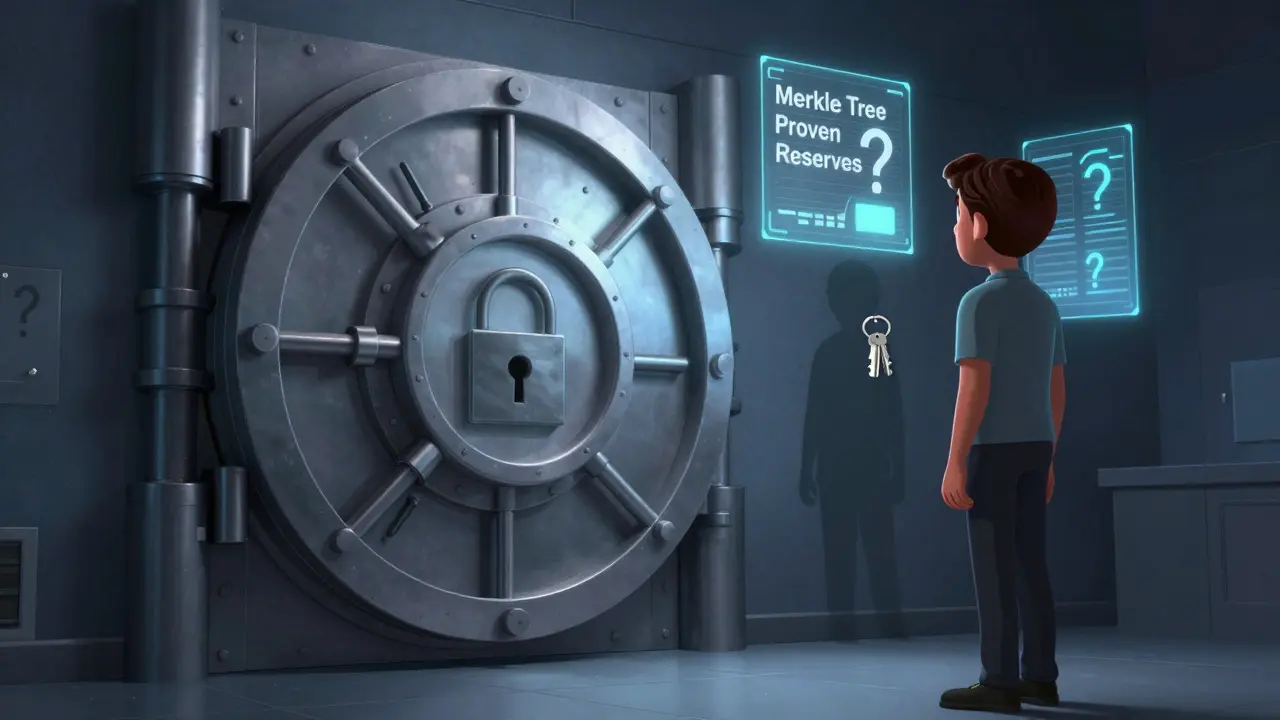
Security is the top concern for any crypto trader. ZKE Exchange describes itself as having a "top-level risk control system" and uses Merkle Tree Proven reserves to verify asset holdings. However, there’s a critical detail you need to understand: ZKE is a custodial exchange.
This means you do not control your private keys. Your assets are held by ZKE, not in a personal wallet. While this simplifies the trading process for beginners, it introduces significant risks. If ZKE suffers a hack, goes bankrupt, or freezes your account, you may lose access to your funds.
Technical analysis by WalletScrutiny highlights that the ZKE app is closed-source. Without public code verification, users must trust the provider’s word regarding security measures. This is a major red flag for security-conscious traders who prefer open-source solutions.
| Feature/Risk | Status | Impact on User |
|---|---|---|
| Custodial Model | Yes | No private key control; higher counterparty risk |
| Open Source Code | No | Cannot independently verify security |
| Reserve Proof | Merkle Tree Proven | Partial transparency into asset holdings |
| SSL Certificate | Valid | Basic web security present |
| WHOIS Privacy | Hidden | Owner identity obscured; potential trust issue |
Trading Experience and Features
ZKE Exchange aims to serve both beginners and experienced traders. The interface includes standard charting tools, order books, and trade history. Recent updates have introduced spot copy trading, allowing new users to mimic the strategies of successful traders.
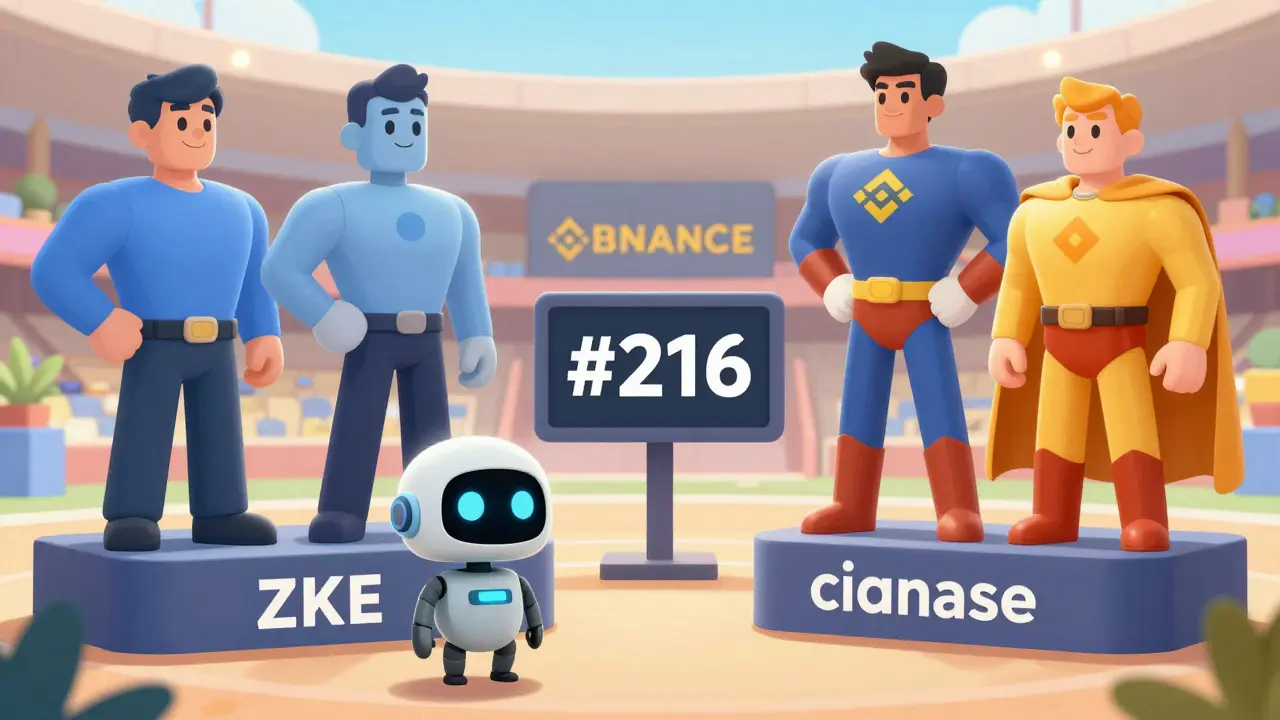
However, user experience reports are mixed. Traders Union gave ZKE a score of 4.5 out of 10 in September 2025, ranking it #216 among global exchanges. This suggests moderate satisfaction but significant room for improvement in areas like liquidity, execution speed, and customer support.
The platform claims to offer 24/7 customer service, but independent metrics on response times or resolution rates are unavailable. For high-frequency traders, this lack of transparency can be a dealbreaker.
Fees and Pricing Structure
While the ZKE app is free to download, specific trading fees are not clearly disclosed on their website. Traders Union has analyzed ZKE’s fee structure, but detailed breakdowns are scarce. Typically, exchanges charge:
- Maker fees: Charged when you add liquidity to the order book.
- Taker fees: Charged when you remove liquidity by executing against existing orders.
- Withdrawal fees: Vary by cryptocurrency and network congestion.
Without clear fee schedules, it’s hard to compare ZKE directly with competitors like Kraken or Coinbase Pro. We recommend contacting ZKE support directly for a current fee schedule before depositing funds.
Regulatory Status and Jurisdiction
ZKE Exchange is registered in the Bahamas, a jurisdiction known for its Digital Assets and Registered Exchanges (DARE) Act. This law provides a regulatory framework for digital asset services, aiming to balance innovation with consumer protection.
However, ScamAdviser notes that while zke.com appears legitimate with a valid SSL certificate and domain age over one year, the WHOIS information is hidden. Additionally, the domain registrar has a high percentage of spam and fraud sites associated with it. These factors create contradictory signals about long-term reliability.
If you reside in the United States, European Union, or other strictly regulated regions, verify whether ZKE holds the necessary licenses to operate in your country. Operating under Bahamian registration does not automatically grant permission to serve users globally.
How Does ZKE Compare to Major Exchanges?
To put ZKE in perspective, let’s compare it with established players like Binance, Coinbase, and Kraken.
| Feature | ZKE Exchange | Binance | Coinbase | Kraken |
|---|---|---|---|---|
| Ranking (Traders Union) | #216 | #1 | #5 | #8 |
| Custodial Model | Yes | Yes | Yes | Yes |
| ZK Technology Integration | Claimed | No | No | No |
| Open Source | No | No | No | No |
| Copy Trading | Yes | Yes | No | No |
| Regulatory Clarity | Mixed | Complex | High (US) | High (Global) |
ZKE differentiates itself through its claimed use of ZK technology and Web3.0 tools. However, it lacks the market presence, liquidity, and regulatory clarity of top-tier exchanges. For most users, sticking with well-known platforms reduces risk significantly.
Pros and Cons of Using ZKE Exchange
Before deciding, weigh these advantages and disadvantages carefully.
Pros
- Innovative Tech: Potential benefits from Zero-Knowledge infrastructure.
- Beginner-Friendly: Copy trading and simple interface.
- Multi-Language Support: Accessible to global users.
- Free App: No cost to download and start exploring.
Cons
- Custodial Risk: You don’t control private keys.
- Closed Source: Cannot verify security independently.
- Low Ranking: Scored 4.5/10 by Traders Union.
- Opaque Fees: Lack of clear fee disclosure.
- Regulatory Uncertainty: Hidden WHOIS data and mixed trust signals.
Who Should Use ZKE Exchange?
ZKE might appeal to:
- Curious Traders: Those interested in experimenting with ZK-based platforms.
- Beginners: Users who want copy trading features without complex setups.
- Non-US Residents: Individuals in jurisdictions where major exchanges are restricted.
However, it is not recommended for:
- Large Investors: Due to custodial risks and low liquidity.
- Security-Conscious Users: Who prefer self-custody and open-source software.
- High-Frequency Traders: Who need guaranteed fast execution and low fees.
Final Verdict: Is ZKE Worth It?
ZKE Exchange presents an interesting proposition with its focus on Zero-Knowledge technology and Web3.0 integration. However, the combination of a custodial model, closed-source code, and ambiguous regulatory status raises serious concerns. With a Traders Union score of 4.5/10 and ranking #216, it falls far behind industry leaders in trust and performance.
If you choose to use ZKE, start with small amounts. Never invest more than you can afford to lose. Always enable two-factor authentication and monitor your account closely. For most traders, established exchanges with proven track records remain the safer choice.
Is ZKE Exchange safe to use?
ZKE Exchange has basic security features like SSL certificates and Merkle Tree Proven reserves. However, it is a custodial platform with closed-source code, meaning you cannot independently verify its security. This creates inherent risks compared to non-custodial or open-source alternatives.
Does ZKE Exchange require KYC?
Most regulated exchanges, including those in the Bahamas, require Know Your Customer (KYC) verification for full functionality. While specific details aren't publicly listed, expect to provide ID documents to withdraw funds or access advanced features.
What is ZK technology in crypto?
Zero-Knowledge (ZK) technology allows transactions to be verified without revealing underlying data. In theory, this enhances privacy and scalability. However, ZKE's specific implementation details are not disclosed, limiting independent assessment.
Can I copy trade on ZKE Exchange?
Yes, ZKE added spot copy trading functionality in version 6.1.9 of its mobile app. This feature lets beginners automatically replicate the trades of selected experienced traders.
Why is ZKE ranked so low by Traders Union?
Traders Union scored ZKE 4.5/10 due to factors like low liquidity, opaque fee structures, limited security transparency, and poor user feedback compared to top exchanges. Its rank of #216 reflects these shortcomings.
Is ZKE Exchange available in the US?
There is no clear indication that ZKE holds licenses to operate in the United States. Given its Bahamian registration and mixed regulatory signals, US residents should exercise extreme caution or avoid the platform entirely.
How do I contact ZKE customer support?
ZKE claims to offer 24/7 customer service via its app and website. However, independent reviews note a lack of transparency regarding response times and issue resolution rates.
What cryptocurrencies can I trade on ZKE?
ZKE lists mainstream digital currencies alongside contracts, options, and NFTs. Specific supported coins vary, but typically include Bitcoin, Ethereum, and major altcoins. Check their live market page for the most current list.
Mike S
May 18, 2026 AT 05:39Oh great, another "ZK-powered" exchange that sounds like it was invented by a marketing intern who just watched one too many tech podcasts.
I've seen this play before. They slap "Zero-Knowledge" on the side of a custodial platform to make you feel safe while they hold your keys in a basement somewhere in the Bahamas. It's not innovation, it's branding. And honestly? It's insulting to anyone who actually understands how crypto works. If you can't verify the code yourself, you're not trading, you're gambling with someone else's dice.
H F
May 20, 2026 AT 05:17Hey Mike, I get where you're coming from but I think we should give them some credit for trying something new!
The fact that they are using ZK tech is pretty exciting even if it is early days. I actually downloaded the app last week and the interface is super clean. Maybe they will grow into their ranking over time? It feels like Binance did back in the day, right?
Michael Berggren
May 21, 2026 AT 11:10Interesting perspective H F! 🤔
I have been thinking about the philosophical implications of trust in decentralized systems. If we truly believe in blockchain, shouldn't we demand open source verification? The concept of "trust me bro" has caused so much pain in this space already. But maybe there is a middle ground where regulated entities use ZK proofs to show solvency without revealing individual balances? That would be a cool hybrid model to watch out for. 👀
Kiran CS
May 23, 2026 AT 09:11One must certainly appreciate the audacity of these Bahamian startups. Truly, the lack of regulatory oversight allows for such... creative accounting practices.
I find it rather amusing that they claim "top-level risk control" while hiding behind WHOIS privacy. It is almost as if they expect sophisticated investors to ignore basic due diligence. How quaint. I suppose for the masses, a shiny app icon is enough to justify parting with their savings.
Bijan Das
May 25, 2026 AT 02:48lol bahamas registry again. typical scam setup. why do people fall for this every single time?
Ashley Rodriguez
May 26, 2026 AT 06:10i mean i tried signing up but the kyc process was kinda confusing and i dont really like giving my id to random websites so i just stuck with binance because its easier and i know everyone uses it so it must be fine right? plus the fees on zke were not clear which made me nervous about losing money on trades i didnt even make yet
Bridget Coogle
May 28, 2026 AT 00:07ashley totally get that feeling of being overwhelmed by all the forms and questions. its scary to put your info online. maybe just stick to what you know for now until you feel more comfortable exploring other options?
Zara Zaman
May 29, 2026 AT 09:35This is exactly why American users need to stay away from foreign exchanges. We have SEC regulations for a reason. These offshore platforms are a joke and a security risk to our financial stability. Stop supporting them.
Larry Port
May 30, 2026 AT 04:08I wonder if the copy trading feature actually works well or if it is just another gimmick to get beginners to deposit funds. It seems like a neat idea on paper but I have heard mixed reviews about execution speed on smaller exchanges. Does anyone here have experience with the copy trading specifically?
Jocelyn Garcia
May 30, 2026 AT 21:34From a UX perspective, the latency issues are real. The order book depth is shallow compared to Tier 1 venues. If you are trying to execute large orders via copy trade, slippage will eat your alpha. Not ideal for serious quant strategies.
Amit Varpe
June 1, 2026 AT 16:13Indian traders should avoid this trash. Use WazirX or CoinDCX. At least they follow RBI guidelines somewhat. This ZKE thing is risky.
Bronwen Butler
June 2, 2026 AT 10:41actually the zkp integration might be legitimate if they are using zk-rollups for settlement. people dismiss it too quickly just because its not binance. ignorance is bliss i guess
Pauline Larocco71
June 4, 2026 AT 03:12im from canada and i tried it once. the support took forever to reply tho. like days. not good if you have an issue with withdrawal. maybe they improved since then but i moved my funds to kraken after that expereince.
beti macedo
June 5, 2026 AT 16:26It is important to consider the regulatory framework carefully. The DARE act in Bahamas provides some structure but international compliance remains a question mark for many jurisdictions. Users should verify local laws before proceeding with any transactions on such platforms.
Michelle Bonahoom
June 6, 2026 AT 11:10just another scam waiting to happen. keep your money in cold storage. these exchanges always rug pull eventually. dont be stupid.
Matt Davis
June 6, 2026 AT 18:58You are all missing the point entirely. The closed-source nature of the application is the critical failure point here. Without independent auditability of the client-side code, you cannot possibly trust the integrity of the transaction data presented to you. It is not about regulation; it is about fundamental cryptographic trust. Disappointing to see so little technical literacy in this thread.
Albert Lee
June 7, 2026 AT 02:46Wow Matt, that was intense! 😅
But seriously, thanks for breaking down the technical side. It really helps to understand why the closed-source part is such a big deal. I was just looking at the fees but you are right, security comes first. Good reminder for everyone here to check the code base before trusting their funds!