You’ve probably seen the ticker GROK3 popping up on social media or crypto trackers. It sounds like the next big thing in artificial intelligence finance. But here’s the hard truth: Grok 3 (GROK3) is not an official cryptocurrency from Elon Musk’s AI company, xAI. Instead, it is a fragmented family of low-value, speculative tokens riding the hype wave of the Grok AI brand. If you are looking for a serious investment in AI infrastructure, this isn’t it. If you are curious about how meme coins work and the risks involved, let’s break down exactly what you are dealing with.
The Myth vs. The Reality of Grok 3 Tokens
First, we need to clear up a major confusion. Many people assume that because the token is called "Grok 3," it is tied to the actual Grok AI chatbot developed by xAI, Elon Musk's artificial intelligence company. This is false. There is no official partnership, no utility, and no revenue share linked to these tokens. They are essentially fan-made or opportunistic projects that use the name to attract attention.
These tokens emerged primarily in early 2025. You will find versions of GROK3 on three main blockchains:
- Solana: The most tracked version, often marketed as an "AI-powered project" but functioning largely as a meme coin.
- BNB Chain: A variant claiming to support decentralized applications (dApps), though trading activity is negligible.
- Ethereum: Another iteration, sometimes branded as "Grok 3.0," focusing on community sentiment and meme culture.
Because there is no central authority behind them, each version has different rules, supplies, and risks. One might have a supply of 1 billion tokens, while another, like Grok 3 AI (GROK3AI), a separate token on Solana with a massive quadrillion-level supply, has tens of trillions. This fragmentation makes it incredibly difficult to assess any real value.
Market Data: Why the Numbers Don't Add Up
If you check price trackers for GROK3, you will likely be confused by the data. That’s because liquidity-the ability to buy and sell without crashing the price-is extremely thin. Let’s look at some specific numbers from mid-2026 to show you what this looks like in practice.
| Token Variant | Blockchain | Total Supply | Approx. Market Cap | Trading Volume (24h) |
|---|---|---|---|---|
| Grok 3 (Solana) | Solana | ~999.64 Million | $2,300 USD | Negligible / Unreported |
| Grok 3 AI (GROK3AI) | Solana | 42.69 Quadrillion | ~$12,000 USD (est.) | 0 USD (on major exchanges) |
| Grok 3 (BNB Chain) | BNB Chain | 1 Billion | $0 USD (No active markets) | 0 USD |
| Grok 3 (Ethereum) | Ethereum | 6.9 Billion | Variable (Low) | ~$131,000 USD (spikes only) |
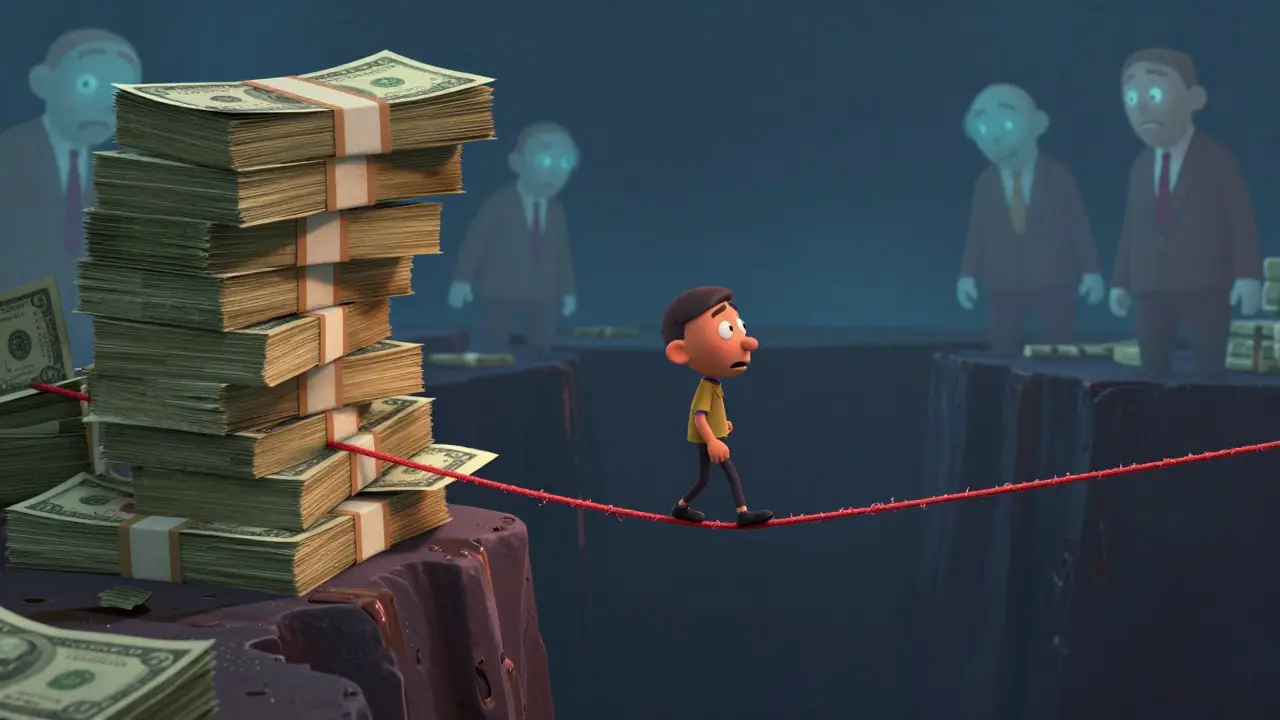
Notice the Ethereum entry? On April 28, 2026, it showed $131,000 in volume. That seems high compared to the others, right? But context matters. For a micro-cap token, that volume can come from a single large trade or a brief pump-and-dump cycle. Most days, the volume is zero. The Solana version, which is the most commonly referenced, had a market cap of just $2,300 in June 2026. To put that in perspective, that’s less than the cost of a decent dinner for two in Bristol. You could theoretically buy the entire circulating supply for a few thousand dollars, which means one person selling their holdings could wipe out the price entirely.
How to Buy (And Why You Should Be Careful)
If you still want to proceed, usually out of curiosity or high-risk speculation, the process is standard for buying unlisted or low-cap tokens. However, the barriers to entry are technical, not financial.
- Create an Account: You’ll need an account on an exchange that supports these pairs, such as Binance or WEEX, or a non-custodial wallet like Phantom for Solana tokens.
- Fund with Stablecoins: Buy USDT or USDC. These are stable cryptocurrencies pegged to the US dollar, used as a base currency for trading volatile assets.
- Swap for GROK3: Use the swap feature to convert your USDT into GROK3. On decentralized platforms, you must set your slippage tolerance carefully. Slippage is the difference between the expected price and the executed price; in illiquid markets, this can be huge.
- Check Gas Fees: If you are interacting with Ethereum-based variants, remember that network fees (gas) can exceed the value of the tokens you are buying. Solana and BNB Chain fees are generally lower.
Exchanges like WEEX provide step-by-step guides for buying Grok 3 AI, emphasizing the need to check gas fees and slippage. This is a warning sign in itself. Legitimate, high-volume assets don’t require users to manually adjust slippage settings to avoid failed transactions.
Security Claims: Audits vs. Marketing
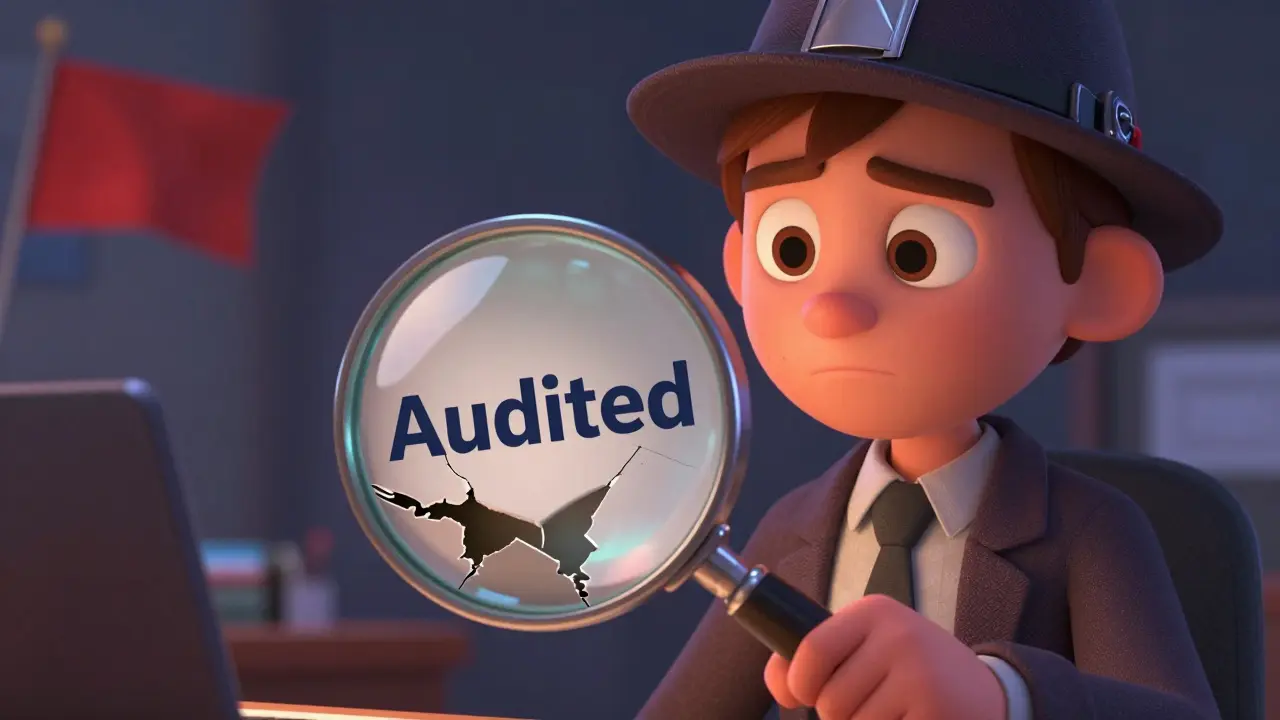
One of the biggest red flags in the crypto world is when a project claims to be "safe" without proof. The Ethereum-based Grok 3.0 project lists several security features on its LinkedIn profile:
- Liquidity Burnt: This means the liquidity provider tokens were sent to an unrecoverable address. In theory, this prevents developers from pulling all the money out (a "rug pull").
- Contract Renounced: The developer no longer has control over the smart contract code, meaning they cannot change the rules later.
- Green Audit / Token Sniffer 100/100: These are automated checks that scan the code for obvious vulnerabilities.
While these are positive signs, they are not guarantees. An automated "Token Sniffer" score does not replace a manual audit by a reputable firm like CertiK or Hacken. Furthermore, the fact that these claims appear on a LinkedIn profile rather than a formal website with downloadable audit reports suggests they are marketing tactics designed to build trust quickly. Always verify audits yourself by checking the auditor’s official site, not just trusting a badge on a social media post.
The Verdict: Is It Worth Your Time?
Grok 3 tokens are best understood as digital collectibles or gambling tickets, not investments. They rely entirely on the continued popularity of Elon Musk and the Grok brand. If the narrative shifts, or if interest wanes, the price can drop to zero overnight. There is no underlying technology, no user base using the token for services, and no corporate backing.
If you are interested in the intersection of AI and crypto, look for projects with transparent roadmaps, active development repositories, and verifiable partnerships. Grok 3 offers none of that. It is a pure play on hype. Treat it accordingly: spend only what you are willing to lose completely, and never view it as a path to wealth.
Is Grok 3 (GROK3) an official token from xAI or Elon Musk?
No. Grok 3 tokens are unofficial, community-created meme coins. They have no affiliation with xAI, Elon Musk, or the actual Grok AI product. Any claims otherwise are marketing hype.
Which blockchain is the main Grok 3 token on?
There is no single "main" token. The most tracked versions are on Solana and Ethereum, with another variant on BNB Chain. Each operates independently with different contract addresses and values.
Why is the market cap of Grok 3 so low?
The market cap is low because there is very little trading volume and limited investor interest. As of mid-2026, the primary Solana version had a market cap of around $2,300, indicating it is a micro-cap asset with high volatility and low liquidity.
Can I make money from Grok 3 tokens?
It is possible to profit from short-term price spikes, but it is highly speculative and risky. Due to the lack of fundamental value and low liquidity, the risk of losing your entire investment is significant.
What is the difference between GROK3 and GROK3AI?
They are distinct tokens. GROK3 typically refers to the meme coins on Solana/Ethereum with supplies in the billions. GROK3AI is a separate token on Solana with a vastly larger supply (quadrillions) and different pricing dynamics. They are not interchangeable.
Rob Morton
June 28, 2026 AT 06:47It is fascinating how we project meaning onto empty vessels. The token has no utility, yet the market assigns it value based on narrative alone. This reflects a deeper philosophical shift in how we perceive worth in the digital age. We are no longer trading assets; we are trading attention and belief systems.
John Curry
June 28, 2026 AT 18:30Wow, just wow. The sheer audacity of these projects is breathtaking. It’s like watching a car crash in slow motion but everyone is cheering because the sparks look pretty. I mean, really, who thought this was a good idea? 😂
Trent Erman1
June 30, 2026 AT 04:39Hey folks! Just wanted to drop a quick note here. If you're looking into crypto, make sure you do your own research. Don't let hype drive your decisions. Stay safe out there! 🚀💡
Maurice Flynn
June 30, 2026 AT 14:48I guess people will buy anything if they think Elon might tweet about it. It's not even about the tech anymore. It's pure gambling. But hey, at least it's entertaining to watch from the sidelines. No rush to jump in.
nancy jarecki
July 2, 2026 AT 08:42The fundamental lack of intrinsic value in these speculative instruments is indicative of a broader systemic failure in retail investor education. Liquidity traps and asymmetric information structures create an environment ripe for exploitation by sophisticated actors. One must exercise extreme due diligence before engaging with such fragmented asset classes.
Robert Hundley
July 2, 2026 AT 14:43Haha, yeah, it's wild! :D I saw someone try to buy the whole supply for like $2k. That's insane. But seriously, don't touch it unless you want to lose your shirt. Have fun though! :)
Melissa L
July 4, 2026 AT 07:35i dont get why ppl buy this stuff. its just numbers on a screen. seems like a scam to me. why would u risk ur money on something with no real use?
Routh Middaugh
July 5, 2026 AT 02:15Well... I suppose one could argue that the cultural significance of meme coins outweighs their financial utility. However, the risk/reward ratio is undeniably skewed. It is important to consider the psychological aspects of investing as well. Are we truly making rational decisions? Probably not.
Ryan Peters
July 6, 2026 AT 06:43Typical American greed. You guys love buying garbage tokens because you think you can get rich quick. Meanwhile, the rest of the world is trying to build actual infrastructure. Disgusting behavior. 🇺🇸
ross harris
July 7, 2026 AT 02:42The matrix is feeding us these shiny distractions while our wealth evaporates. Grok 3 is just another siren song luring sailors onto the rocks. Wake up, sheeple. The quadrillion supply is a metaphor for the infinite void of your portfolio.
Carl Belgrave
July 7, 2026 AT 08:44This is exactly what happens when you let unregulated markets run wild. We need stricter controls on these so-called 'investments'. It's a joke. A complete farce. People need to stop acting like children with allowances.
Carol @minaszilda
July 9, 2026 AT 04:53Please be careful. These tokens are risky. Take only what you can afford to lose. Protect your peace.
Fiona Ellis
July 11, 2026 AT 00:39I actually tried to buy some just to see what would happen. The slippage was horrific. I lost more in fees than the token was worth. Never again. 🙄💸
Nicole Woessner
July 13, 2026 AT 00:06in my culture we value tangible goods. this feels very abstract and detached from reality. interesting to observe but i prefer keeping my feet on the ground
Jon Milton
July 13, 2026 AT 01:01Look, I get the appeal of memes. But calling this an investment is laughable. It's a casino chip. Treat it as such. Don't confuse entertainment with finance. Stay sharp.
Sajjad Ghorbani Moghaddam
July 15, 2026 AT 00:12Just remember to check the contract address. There are so many fake versions now. It's easy to get scammed. Be cautious.
Rebecca Shoniker
July 16, 2026 AT 08:56The emotional manipulation inherent in these marketing campaigns is insidious. They prey on FOMO and insecurity. One must remain emotionally detached to survive in this space. Do not let your heart dictate your trades. It is a recipe for disaster.
Jay Sharma
July 18, 2026 AT 05:45Elon knows. He's letting these tokens exist to drain liquidity from real projects. It's a setup. The government wants you broke. Wake up!
Scott Miller
July 19, 2026 AT 17:12You gotta take risks to win big! Sure, it's risky, but imagine if you bought Bitcoin early. Don't let fear hold you back. Go for it! 💪🔥
Abby Martin
July 20, 2026 AT 10:12I'm shocked anyone still falls for this. It's morally bankrupt to promote these scams. People are losing life savings. Shame on everyone involved. Get your act together.
Mélanie Boulay
July 20, 2026 AT 23:51While I understand the allure of high-risk speculation, it is imperative to recognize the structural vulnerabilities present in decentralized exchanges lacking sufficient liquidity depth. The potential for significant capital erosion is substantial, and thus, one must approach such opportunities with extreme caution and a thorough understanding of the underlying mechanics.
Carl Hanzel
July 21, 2026 AT 05:01Oh, great article. So obvious. Everyone already knows it's a scam. Why are we even discussing this? It's like explaining gravity to a toddler. Boring. Next topic.
Daniel J. Cox
July 21, 2026 AT 23:41It's funny how different cultures view risk. Here, it's seen as foolish. Elsewhere, maybe it's just part of the game. Either way, I'm just watching. :P