You’ve likely seen the term OmniaVerse pop up in a search result or a niche crypto forum. It promises to solve one of the biggest headaches in blockchain gaming: the confusing mess of wallets, keys, and fees. But does it actually deliver, or is it just another vaporware project trying to ride the Web3 hype train? The short answer is that while the concept sounds good on paper, the reality for investors and players in 2026 is quite different.
If you are looking at OMNIA, you need to look past the marketing buzzwords. This isn’t a mainstream token like Bitcoin or even established gaming tokens like Gala. It’s a micro-cap asset with significant red flags regarding liquidity, adoption, and market visibility. Before you consider buying anything, let’s break down exactly what this ecosystem claims to be, how it works, and why the data suggests extreme caution.
The Core Concept: Solving Web3 Gaming Friction
At its heart, OmniaVerse is a Web3 gaming ecosystem designed to simplify blockchain adoption for mainstream gamers. The problem it tries to solve is real. Traditional blockchain games often require users to manage complex private keys, pay unpredictable gas fees, and deal with fragmented experiences where assets from one game don’t work in another.
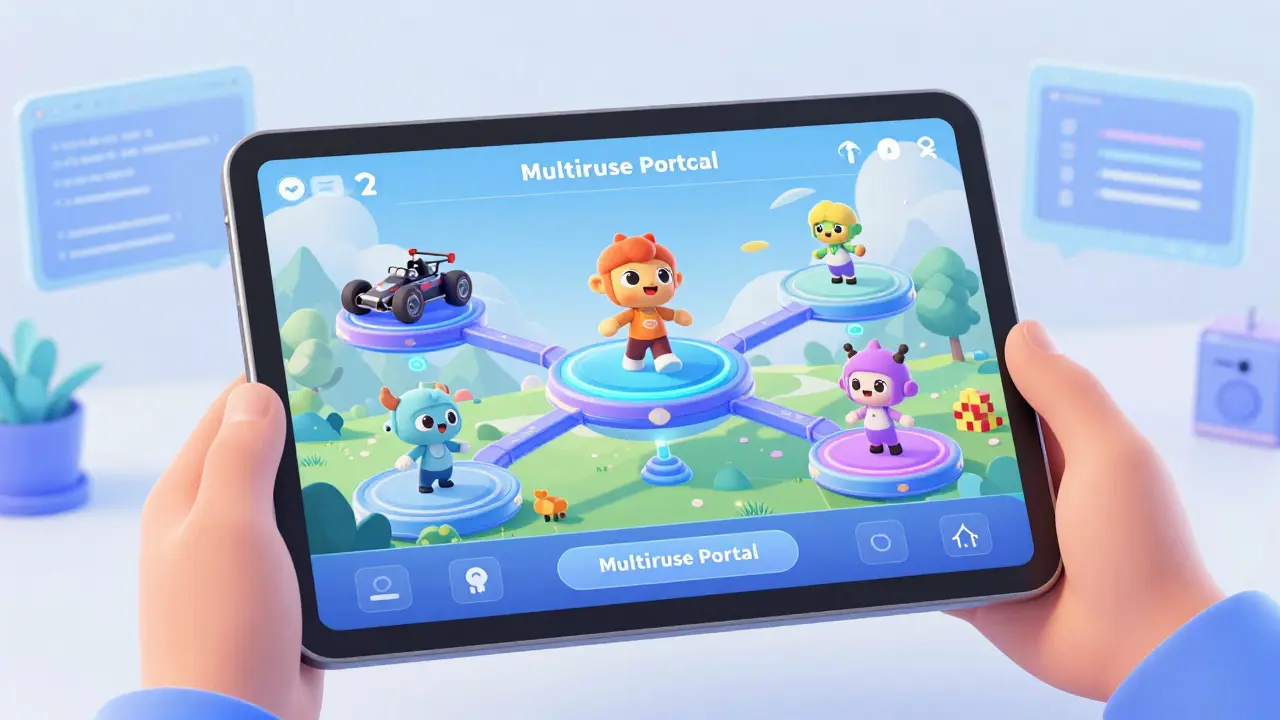
OmniaVerse positions itself as a "multiverse portal." The idea is that you can play multiple games within this ecosystem, and your digital assets-specifically NFTs-can move between them. This is known as cross-game interoperability. They claim to have published over 30 games across web, Android, and iOS platforms. To make this easier for developers, they provide an SDK (Software Development Kit) that helps bridge traditional Web2 games into the Web3 space.
The technical backbone relies on wallet abstraction. Instead of forcing a gamer to memorize a 12-word seed phrase, the system hides the complexity of crypto management behind a familiar user interface. Theoretically, this lowers the barrier to entry for the $300 billion traditional gaming market. However, theory and execution are two very different things.
Tokenomics and Utility: What Does OMNIA Do?
To understand the value of the coin, you have to understand its role. OMNIA is the native utility and governance token of the Omnia chain. It operates alongside another token called $BLOCK, which serves as the in-game utility currency.
Here is how the token economy is supposed to function:
- Governance: Holders can potentially vote on ecosystem decisions, though specific voting mechanisms and participation rates are not publicly detailed.
- Utility: The token facilitates transactions within the ecosystem, including the creation and trading of "digital monuments" (NFTs).
- Blockchain Base: Originally native to the Apex Blockchain, the token was later expanded to Ethereum to improve accessibility. This multi-chain approach aims to reduce dependency on a single network’s congestion.
The total supply is fixed at 1 billion OMNIA tokens. As of early 2026, reports indicate that approximately 670 million tokens are in circulation. This high percentage of circulating supply relative to the total means there is little room for future inflation via new minting, but it also means the existing holders control the vast majority of the asset.
Market Reality: Price, Liquidity, and Volume
This is where the story gets concerning for potential investors. If you check major trackers like CoinMarketCap or Crypto.com in 2026, the picture is stark. OmniaVerse sits at a rank of roughly #7266, which places it firmly in the category of negligible market relevance compared to top-tier assets.
| Metric | Value / Status |
|---|---|
| Price | ~$0.0001419 USD |
| Market Cap | $95,070 USD |
| 24h Trading Volume | $0 (Negligible) |
| 24h Price Change | 0.00% |
| Circulating Supply | 670 Million OMNIA |
A market cap of under $100,000 is tiny. For context, major competitors like Gala Games or Immutable X have market caps in the hundreds of millions. More importantly, the trading volume is effectively zero. When volume is $0, it means there are almost no buyers or sellers actively trading the asset on tracked exchanges. This creates a massive liquidity risk. If you buy OMNIA, you might find it impossible to sell it later because there is no one waiting on the other side of the trade.
Competitive Landscape: Who Are They Up Against?
OmniaVerse is operating in a crowded field. The Web3 gaming sector was valued at around $3.5 billion in 2025 and is projected to grow significantly by 2030. However, the winners in this space are those with deep pockets and large user bases.
Consider the competition:
- Gala Games: Backed by heavy institutional funding and boasting a market cap near $250 million.
- Immutable X: A Layer-2 scaling solution for Ethereum focused on NFTs, with a market cap around $300 million.
- Forte: Raised $725 million in funding alone.
OmniaVerse has no verifiable institutional backing identified in public records. While they claim to address the "convoluted process" of onboarding, they lack the strategic partnerships and community engagement that drive adoption for larger projects. In a market where 78% of developers prioritize cross-game asset compatibility, OmniaVerse’s "game-agnostic" NFT feature is a valid selling point-but only if people actually use the platform. Currently, there is no evidence of significant user adoption.

Red Flags and Risk Assessment
If you are considering investing in OMNIA, you must weigh these serious risks:
- Liquidity Crisis: With $0 daily volume, exiting a position could be impossible without crashing the price further.
- Lack of Transparency: There are no independent expert analyses from reputable firms like Messari or Delphi Digital. The available information comes largely from self-reported sources or minor press releases.
- Community Silence: Reddit discussions are virtually nonexistent. Trustpilot, G2, and Capterra have no reviews. Social media presence on Twitter/X or Discord appears minimal based on available metrics.
- Stagnation: The last major verifiable development was a news release in January 2025 about expanding to Ethereum. No significant roadmap updates or product launches have been documented for 2026.
The absence of user testimonials, case studies, or active community support suggests that the project has failed to achieve meaningful traction despite claiming to host over 30 games. Without active users, the "utility" of the token is theoretical at best.
Is OmniaVerse Worth Your Attention?
For a developer interested in building cross-platform Web3 games, the SDK might offer some tools worth exploring, provided you do your own due diligence on the code quality and support infrastructure. However, for an investor or a casual gamer, the risks far outweigh the potential rewards.
The promise of seamless blockchain gaming is exciting, but OmniaVerse currently lacks the market presence, liquidity, and community trust to be a viable vehicle for that promise. In the crypto world, visibility and volume are lifeblood. OmniaVerse has neither. Until you see consistent trading volume, verified partnerships, or substantial user growth, it remains a speculative asset with high failure probability.
What is the current price of OMNIA token?
As of early 2026, the price of OMNIA is approximately $0.0001419 USD. However, prices can fluctuate rapidly in low-volume markets, so always check a live tracker like CoinMarketCap before making any decisions.
Can I sell OMNIA tokens easily?
Likely not. Reports show $0 trading volume over 24-hour periods on major exchanges. This indicates extremely low liquidity, meaning there may be no buyers available to purchase your tokens when you want to sell.
What blockchain does OmniaVerse run on?
OmniaVerse originally launched on the Apex Blockchain. In January 2025, the project announced an expansion to the Ethereum network to increase accessibility and interoperability.
How many OMNIA tokens are in circulation?
The total supply is 1 billion OMNIA tokens. Approximately 670 million tokens are reported to be in circulation as of 2026.
Are there any games available on OmniaVerse?
The project claims to have published over 30 games across web, Android, and iOS platforms. However, there is limited independent verification of active user bases or player engagement for these titles.