Crypto Scam: How to Spot Fake Coins, Fake Exchanges, and Scams in 2025
When you hear crypto scam, a deceptive scheme designed to trick people into sending cryptocurrency with no real product or promise behind it. Also known as crypto fraud, it’s not just about shady startups—it’s about fake websites, ghost teams, and tokens that vanish the moment you buy in. Every day, new victims fall for projects that look real but have zero code, zero team, and zero future. The most common ones? Fake exchanges like Armoney, a non-existent platform often confused with real ones like Harmony or used as a bait for phishing, or meme coins like CRYPTO AGENT TRUMP (CAT), a token built on Trump’s name with no team, no liquidity, and zero value. These aren’t mistakes—they’re calculated thefts.
Then there’s the crypto exit scam, when a project raises money, disappears, and leaves investors with worthless tokens. Rokes Commons Exchange? No regulatory records. No user reviews. Just a website that vanished. ZBG Exchange? Real volume? Hard to tell. Many platforms hide their true trading numbers to look popular. And don’t get fooled by airdrops that ask for your private key—those are always scams. Even legitimate-sounding names like Starlink (STARL), a token tied to a fake metaverse with a 99.48% price drop or Melon Dog (MELON), a Solana meme coin with near-zero liquidity and no roadmap are traps. They use hype, celebrity names, or fake partnerships to lure you in. The red flags? Anonymous teams, no whitepaper, promises of guaranteed returns, and pressure to act fast.
It’s not just about avoiding bad projects—it’s about understanding how scams evolve. Some use fake reviews, others copy real exchange designs, and some even hire actors to pretend they’re users. The most dangerous ones? The ones that feel real until it’s too late. You won’t find them on CoinMarketCap—they’re on Telegram groups, TikTok ads, and Reddit threads with bots. If it sounds too good to be true, it is. If no one can tell you who built it, walk away. The crypto scam industry is a multi-billion-dollar operation, and it’s getting smarter. But so are the people who expose them. Below, you’ll find real reviews of exchanges that are either fake, risky, or outright scams. You’ll also see how dead tokens like CAT and MELON were built and abandoned. These aren’t hypotheticals—they’re case studies. Learn from them before you lose your next trade.
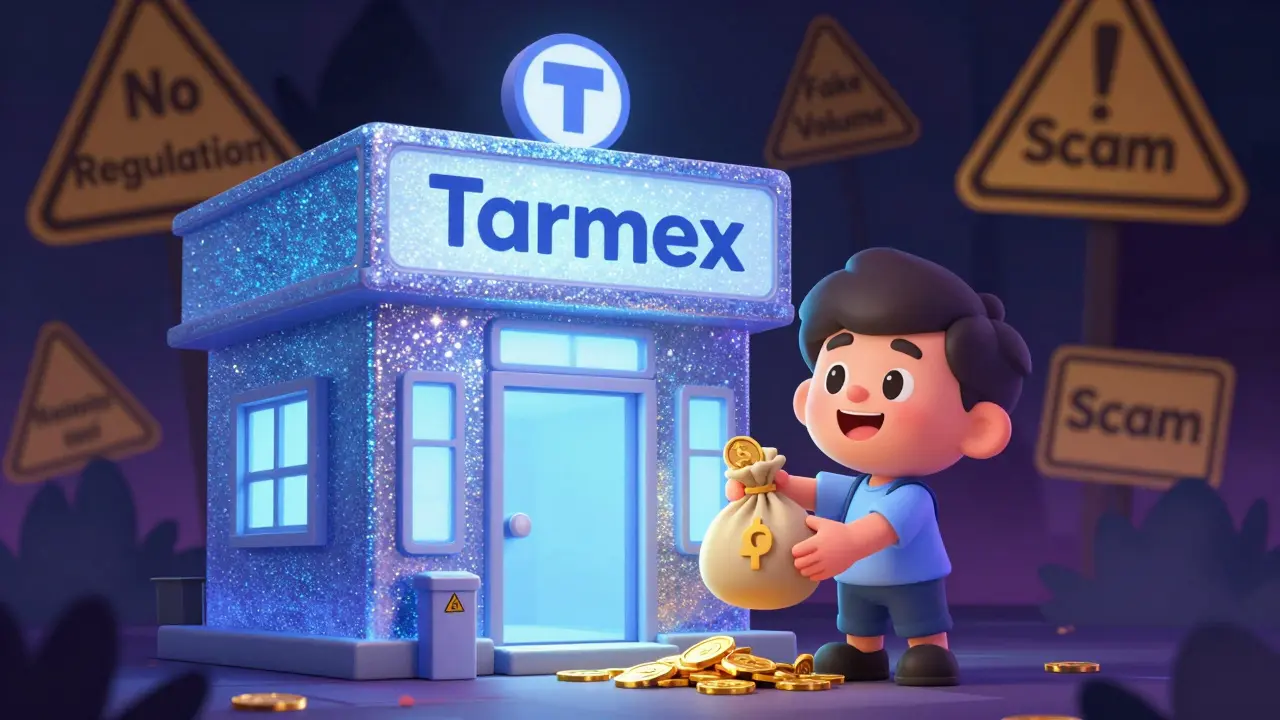
Tarmex Crypto Exchange Review: A High-Risk Platform with No Regulatory Oversight
Tarmex is an unregulated crypto exchange with fabricated trading volumes, no proof of security, and hundreds of user reports of lost funds. Avoid it at all costs - it's a known scam.
- 25
- Read More
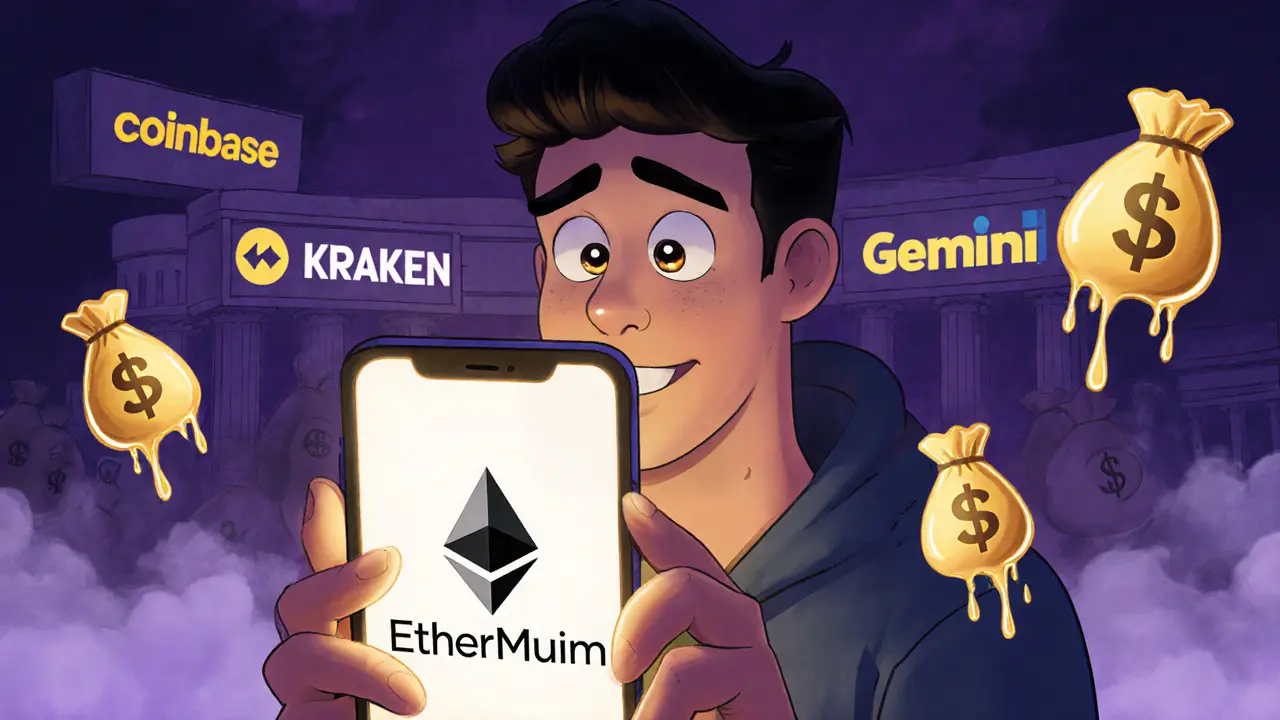
EtherMuim Crypto Exchange Review: Is It Real or a Scam?
EtherMuim is not a real crypto exchange - it's a scam designed to trick users into depositing Ethereum. Learn how to spot fake exchanges and which legitimate platforms to use instead.
- 14
- Read More