What Is Coinut? A Real Look at a Niche Crypto Exchange
Coinut isn’t another Binance or Coinbase. It doesn’t have hundreds of coins, flashy marketing, or a massive user base. But if you live in Canada or Singapore and want to trade crypto with real money-like CAD or SGD-without jumping through hoops, Coinut might actually be one of the better options you’ve overlooked.
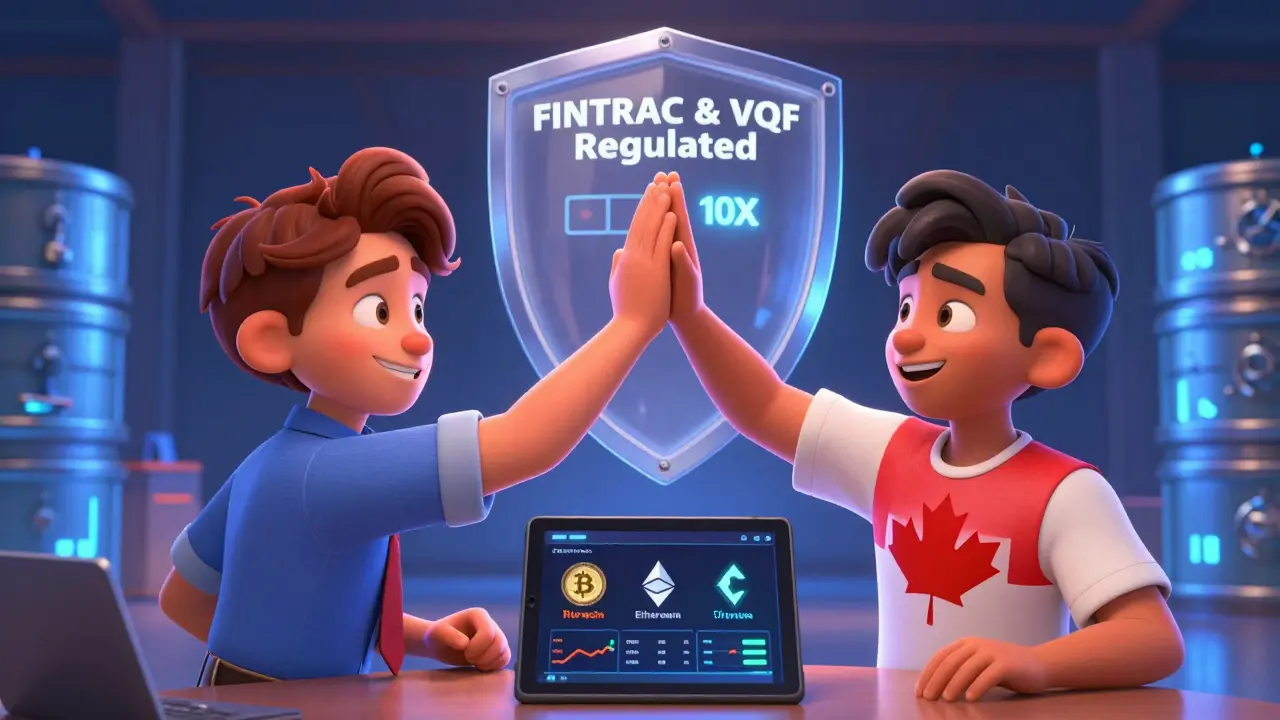
Founded in 2013 by Xinxi Wang, a Litecoin Core developer, and Tao Huang, Coinut has been running non-stop since day one. That’s rare. Most exchanges from that era are gone. Some got hacked. Others shut down after regulatory pressure. Coinut? It’s still here, with offices in Singapore, Canada, and Switzerland. And it’s regulated-by FINTRAC in Canada and VQF in Switzerland. That’s not just a buzzword. It means they follow real financial rules, not just crypto hype.
What You Can Trade (And What You Can’t)
Coinut doesn’t try to be everything. It’s focused. Right now, you can trade just six cryptocurrencies: Bitcoin, Ethereum, Litecoin, Bitcoin Cash, Ripple, and Dogecoin. That’s it. If you’re looking for Solana, Polkadot, or Shiba Inu, you won’t find them here.
But here’s the trade-off: for those six coins, you can trade directly against nine fiat currencies. That includes USD, CAD, SGD, EUR, CHF, GBP, AUD, JPY, and HKD. Most exchanges force you to buy Bitcoin or Ethereum first, then trade from there. Coinut lets you deposit Canadian dollars or Singapore dollars and buy Bitcoin directly. No middleman. No extra steps. That’s a big deal if you’re tired of paying fees on multiple conversions.
The minimum trade size is $10. That’s low enough for beginners. You don’t need to risk hundreds just to get started. But if you’re a serious trader chasing altcoins or DeFi tokens, you’ll quickly hit a wall. Coinut isn’t built for that crowd.
Fees: Not the Cheapest, But Fair
Coinut claims to have the lowest fees. That’s misleading. It doesn’t. Exchanges like Bybit and Kraken offer lower taker fees, and some even pay you to make market (maker rebates). But Coinut’s fees? They’re reasonable.
Taker fees are 0.10%. Maker fees are 0.00%-so if you place a limit order that gets filled later, you pay nothing. That’s standard for decent exchanges. No hidden charges on crypto swaps. No deposit fees for fiat. Withdrawal fees are modest: around $1-$5 depending on the coin. Compare that to exchanges that charge $15 to pull out Bitcoin, and Coinut looks better.
Traders Union gave Coinut a 7.75/10 on fees. Not perfect, but solid. You’re not getting the absolute lowest rates, but you’re not getting ripped off either. For someone who trades occasionally or holds for a while, this is fine.
Leverage: Up to 10x-Rare on Regulated Exchanges
This is where Coinut stands out. Most regulated exchanges in Canada and Europe don’t offer leverage at all. Or if they do, it’s capped at 2x or 5x. Coinut lets you trade with up to 10x leverage. That means if you put in $1,000, you can control $10,000 worth of Bitcoin.
That’s powerful. But also risky. If the market moves against you, you can lose more than your deposit. Coinut doesn’t warn you enough about this. Beginners should treat leverage like a chainsaw-useful, but deadly if you don’t know how to handle it.
Still, for experienced traders in regulated markets who want more control, this is one of the few places where you can legally use 10x leverage without going to an unregulated offshore platform. That’s valuable.
Security: Strong, But Not Perfect
Coinut has never been hacked. That’s not luck. It’s discipline. 95% of user funds are stored in cold wallets-offline, physically secured, disconnected from the internet. That’s the gold standard. The other 5% is kept online for quick withdrawals, which is normal.
Two-factor authentication (2FA) is required. You can’t skip it. No SMS-based 2FA either-only authenticator apps like Google Authenticator or Authy. That’s good. SMS is easy to hijack.
But here’s the catch: no investor protection fund. Unlike OKX, which has a $1 billion fund to cover losses in case of breach, Coinut doesn’t have one. If something goes wrong, you’re on your own. That’s a risk. Kraken doesn’t have one either. So it’s not unique-but it’s still a gap.
Traders Union gave Coinut a 9.75/10 for security. That’s high. And for good reason. The infrastructure is solid. But the lack of insurance is something you need to live with.
Customer Support and User Experience
Don’t expect 24/7 live chat with instant answers. Coinut’s support is email and live chat only. No phone. No ticket system. If you have a problem with a withdrawal or KYC, you wait. Users report delays of 24 to 48 hours for verification. That’s slower than Coinbase, but not unusual for smaller exchanges.
Withdrawals can take 3-5 business days, especially for fiat. One Reddit user in Singapore said their SGD withdrawal took four days. That’s longer than a local bank transfer. If you need fast cash out, Coinut isn’t your best bet.
The interface is clean. Simple. No clutter. The default language is Chinese, but you can switch to English with one click in the top-right corner. The mobile app works fine-no major bugs. But it’s basic. No advanced charting tools, no algorithmic trading, no copy trading. It’s built for spot trading and leverage, not pro traders.
Who Is Coinut Actually For?
Let’s be clear: Coinut isn’t for everyone.
If you’re in the U.S., forget it. They don’t have proper U.S. licensing. Some users access it anyway, but that’s risky. State laws vary. You could get flagged by your bank or face tax issues.
If you’re in Canada or Singapore and you want to buy Bitcoin or Ethereum with your local currency-without paying 3% fees on a P2P app or dealing with a bank that hates crypto-Coinut is one of the few clean, regulated options left.
If you want leverage without going to an unregulated offshore exchange, Coinut gives you 10x. That’s rare.
If you’re looking for 300+ altcoins, DeFi integrations, or advanced trading bots? Look elsewhere. Coinut doesn’t care about that crowd.
Regulation: The Real Advantage
Most crypto exchanges operate in legal gray zones. Coinut doesn’t. It’s registered with FINTRAC in Canada and VQF in Switzerland. That means they report suspicious activity. They verify identities. They follow anti-money laundering rules.
They’ve also applied for a license from Singapore’s Monetary Authority of Singapore (MAS). That’s a big deal. MAS is one of the strictest crypto regulators in the world. If they get it, Coinut will be one of the few fully licensed exchanges in Asia.
Right now, they’re in a sweet spot: regulated enough to feel safe, but not so big that they’ve lost their agility. That’s why they’re still around after 12 years.
Final Verdict: A Quiet Player With Real Value
Coinut isn’t flashy. It doesn’t sponsor crypto conferences or have a celebrity CEO. But it’s stable, regulated, and focused. It doesn’t try to be everything. It just does a few things well: lets you trade crypto with real money, safely, with decent leverage, and without hidden fees.
For Canadian and Singaporean traders who want simplicity and compliance over complexity, Coinut is a rare find. It’s not the biggest, not the cheapest, not the most feature-packed. But if your priority is trust over volume, it’s worth a closer look.
Just remember: keep your funds secure. Use 2FA. Don’t use leverage unless you understand the risks. And if you need fast withdrawals or support, set your expectations low. Coinut works best for people who don’t need hand-holding-they just want a clean, honest place to trade.
Is Coinut safe to use?
Yes, Coinut is one of the safer smaller exchanges. It’s regulated by FINTRAC in Canada and VQF in Switzerland, stores 95% of funds in cold wallets, and has never been hacked. However, it doesn’t have an investor protection fund, so if something goes wrong, you won’t be reimbursed automatically.
Can I deposit Canadian dollars or Singapore dollars on Coinut?
Yes. Coinut supports deposits in CAD, SGD, USD, EUR, CHF, GBP, AUD, JPY, and HKD. You can deposit directly in your local currency and buy Bitcoin or Ethereum without converting through another coin first. This makes it one of the few exchanges that offers true fiat on-ramps in Canada and Singapore.
Does Coinut offer leverage trading?
Yes. Coinut allows up to 10x leverage on Bitcoin, Ethereum, Litecoin, and Bitcoin Cash. This is rare among regulated exchanges, which typically cap leverage at 5x or less. Use leverage cautiously-it can amplify both gains and losses.
How many cryptocurrencies does Coinut support?
Coinut supports six cryptocurrencies: Bitcoin, Ethereum, Litecoin, Bitcoin Cash, Ripple, and Dogecoin. It does not offer altcoins like Solana, Cardano, or Polkadot. This makes it unsuitable for traders looking for broad altcoin access.
Is Coinut available in the United States?
Coinut is not officially licensed in the U.S. While some American users access the platform, it’s not guaranteed to be compliant with state-level regulations. U.S. residents should check local laws before using Coinut, as using unlicensed exchanges could lead to tax or legal complications.
What are the trading fees on Coinut?
Coinut charges a 0.10% taker fee and 0.00% maker fee. There are no deposit fees for fiat, and withdrawal fees are low-typically $1-$5 depending on the cryptocurrency. Crypto swaps are free. Fees are not the lowest on the market, but they’re fair and transparent.
How long does KYC verification take on Coinut?
KYC verification usually takes 24 to 48 hours. You’ll need to upload a government-issued ID and a selfie. The process is straightforward but not instant. There’s no facial recognition or AI verification, which slows things down compared to exchanges like OKX.
Does Coinut have a mobile app?
Yes. Coinut has a mobile app for iOS and Android. It’s simple, stable, and works well for spot trading and leverage. It doesn’t have advanced charting or indicators, but it’s reliable for everyday use. The app mirrors the web interface and supports the same currencies and features.
Don Grissett
January 5, 2026 AT 20:33Veronica Mead
January 6, 2026 AT 19:29Mollie Williams
January 7, 2026 AT 03:00Surendra Chopde
January 7, 2026 AT 04:23Tiffani Frey
January 9, 2026 AT 03:38kris serafin
January 9, 2026 AT 05:38Jordan Leon
January 9, 2026 AT 17:01Rahul Sharma
January 11, 2026 AT 01:52Valencia Adell
January 12, 2026 AT 05:34Sarbjit Nahl
January 13, 2026 AT 05:31Paul Johnson
January 15, 2026 AT 03:15Meenakshi Singh
January 16, 2026 AT 08:11Kelley Ramsey
January 17, 2026 AT 18:28Krista Hoefle
January 18, 2026 AT 22:25Emily Hipps
January 20, 2026 AT 08:59Jessie X
January 20, 2026 AT 15:03Kip Metcalf
January 21, 2026 AT 02:17Frank Heili
January 22, 2026 AT 00:48