Buying a house used to mean saving for years, dealing with opaque paperwork, and handing over huge chunks of cash to banks and brokers. That model is breaking. In 2026, you can buy a slice of an apartment in Atlanta or a commercial building in London using cryptocurrency, with the transaction settling in minutes rather than months. This isn't science fiction; it's the reality of blockchain real estate platforms.
These platforms turn physical buildings into digital tokens. You don't own the deed to the whole building. Instead, you hold a digital receipt-a security token-that proves you own 0.1% or 5% of that asset. The result? Lower entry costs, instant access to rental income, and a level of transparency that traditional real estate has never offered. But with great power comes great confusion. Which platform is safe? Is this legal? And how do you actually start?
How Blockchain Real Estate Actually Works
To understand these platforms, you have to look past the hype and see the mechanics. Traditional real estate is illiquid. Selling a house takes weeks of inspections, appraisals, and lawyer fees. Blockchain changes this by using smart contracts-self-executing code on a decentralized ledger-to automate ownership transfer.
Here is the process in plain English:
- Tokenization: A company buys a property (say, a $1 million apartment complex). They split the ownership into 1,000,000 digital tokens, each worth $1.
- Listing: These tokens are listed on a platform like Propy or RealT. Each token represents a legal share of the underlying asset.
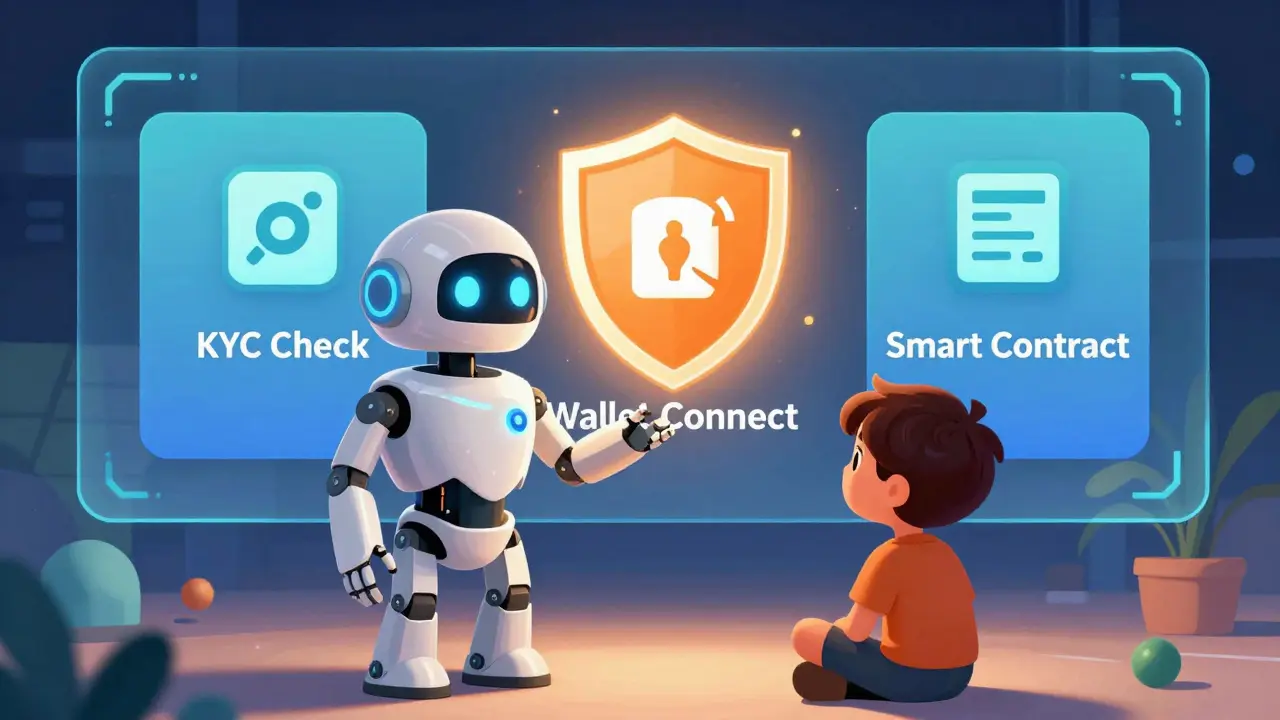
- Purchase: You connect your crypto wallet (usually MetaMask), pass identity checks (KYC), and buy tokens using stablecoins like USDC or ETH.
- Rental Income: When tenants pay rent, the money goes into a smart contract. The contract automatically distributes your share of the profit directly to your wallet, often daily or monthly.
- Selling: If you want out, you sell your tokens on the secondary market to another investor, bypassing traditional broker commissions.
The magic here is fractional ownership. Instead of needing $300,000 for a down payment, you might start with just $50. This democratizes an asset class that was previously reserved for the wealthy.
Top Blockchain Real Estate Platforms Compared
Not all platforms are created equal. Some focus on cross-border sales, others on passive rental income, and some target institutional investors. Here is how the major players stack up in mid-2026.
| Platform | Best For | Min. Investment | Fees | Key Feature |
|---|---|---|---|---|
| Propy | Cross-border full-property sales | $1,000+ | 2.5% | Ethereum-based, global reach (27 countries) |
| RealT | Passive rental income (US properties) | $50 | Variable | Daily payouts, Detroit/Atlanta focus |
| Lofty | Beginners & daily distributions | $50 | 3% flat fee | User-friendly interface, North America only |
| Brickblock | Institutional & hybrid models | $1,000 - $5,000 | Varies | Tokenized bonds, fixed returns (4.2-7.8%) |
| Vairt | European property crowdfunding | €100+ | Varies | Multi-country EU portfolio |
Propy remains the heavyweight for buying entire homes using crypto. They completed the first blockchain real estate transaction in 2018 and now handle hundreds of millions in volume. However, they are less about "investing" and more about "buying." If you want to live in the house or flip it, Propy is your tool. If you want passive income, look elsewhere.
RealT dominates the fractional rental space. With over $29 million distributed to investors since 2019, their track record is solid. Their portfolio is heavily concentrated in Detroit and Atlanta, which offers high yields but also carries specific regional risks. You need a MetaMask wallet and must use USD stablecoins.
Lofty is gaining traction for its simplicity. They charge a flat 3% fee and distribute rental income daily. This is huge for cash flow management. However, they currently operate only in North America, limiting geographic diversification.
The Regulatory Landscape: Safety First
This is the most critical part of the article. In 2025 and 2026, regulators woke up. The SEC in the United States issued clear guidance: if a token represents fractional ownership in real estate, it is a security. This means platforms must comply with strict registration rules.
Why does this matter to you? Because non-compliant platforms are getting shut down. In early 2025, the SEC issued 17 cease-and-desist orders against platforms misclassifying their tokens. We saw cases like the $2.3 million exit scam involving fake Miami property tokens, where investors lost everything due to weak KYC (Know Your Customer) protocols.
To stay safe, ensure any platform you use meets these criteria:
- Full KYC/AML Verification: Legitimate platforms will ask for your ID and proof of address. This takes 3-5 days but protects you from fraud.
- SEC Compliance or MiCA Alignment: Check if the platform states it is registered as a security offering. In Europe, look for compliance with MiCA (Markets in Crypto-Assets) regulations.
- Audited Smart Contracts: The code holding your assets should be audited by third-party firms. Look for reports from firms like CertiK or OpenZeppelin.
- Clear Legal Structure: Who legally owns the property? Usually, it's an LLC or SPV (Special Purpose Vehicle) that holds the deed, while you hold shares in that entity via tokens.
If a platform promises "unregulated freedom" or avoids asking for your ID, run away. It’s likely a trap.
Getting Started: A Step-by-Step Guide
You don’t need to be a coder to invest. But you do need to set up a few things. Here is how to go from zero to invested in under an hour.
- Set Up a Wallet: Download MetaMask (the most widely supported wallet). Install it as a browser extension. Secure your seed phrase offline. Never share it with anyone.
- Fund Your Wallet: Buy USDC (a stablecoin pegged to the US Dollar) on a major exchange like Coinbase or Kraken. Transfer it to your MetaMask address. Using stablecoins avoids the volatility of Bitcoin or Ethereum when making investments.
- Choose a Platform: Based on our comparison above, pick one that fits your goal. For beginners wanting ease, Lofty is a strong contender. For US rental income, RealT is established.
- Complete KYC: Upload your government ID and take a selfie. This verifies you are a real person and complies with anti-money laundering laws. Expect this to take a few days.
- Connect and Buy: Connect your MetaMask to the platform. Select a property, enter the amount you wish to invest (e.g., $100), and confirm the transaction. You will pay a small network gas fee.
- Track Returns: Rental income will appear in your wallet automatically. You can reinvest it or withdraw it back to a fiat exchange.

Risks and Pitfalls to Avoid
Blockchain real estate is not risk-free. In fact, it introduces new types of risk alongside traditional ones.
Smart Contract Risk: Even audited code can have bugs. If there is a flaw in the contract distributing rent, funds could get stuck. Always choose platforms with a long track record and insurance funds if available.
Liquidity Risk: While better than traditional real estate, selling your tokens isn't always instant. If no one wants to buy shares of that specific Detroit apartment, you might have to wait or sell at a discount. Check the trading volume of the token before buying.
Regulatory Shifts: Laws change. A platform compliant today might face new hurdles tomorrow. Diversify across multiple platforms and jurisdictions to mitigate this.
Tax Complexity: Selling tokens for a profit is a taxable event. Receiving rental income is also taxable. In the UK and US, you need to report these gains. Keep detailed records of every transaction hash and date.
The Future: Where Is This Heading?
We are still in the early innings. By 2033, the market is projected to hit $19.4 billion. Institutional giants like BlackRock and JPMorgan are already launching tokenized real estate funds. This signals that the technology is maturing beyond retail speculation.
Expect to see faster transactions, lower fees, and broader geographic availability. As regulatory clarity improves, we’ll likely see mainstream banks offering blockchain real estate products directly through their apps. For now, however, doing your own due diligence is essential. The tools are powerful, but they require a cautious, informed hand.
Is blockchain real estate investing legal?
Yes, provided the platform complies with local securities laws. In the US, tokens representing real estate ownership are classified as securities by the SEC, meaning platforms must register or qualify for exemptions. In Europe, MiCA regulations provide a framework for such assets. Always verify a platform's legal status before investing.
What is the minimum amount I need to invest?
Minimums vary by platform. Retail-focused platforms like RealT and Lofty allow investments starting at $50. Institutional platforms like Brickblock may require $1,000 or more. This low barrier to entry is one of the main benefits of fractional ownership.
How do I receive rental income?
Rental income is typically distributed automatically via smart contracts. Depending on the platform, you may receive payments daily, weekly, or monthly directly into your connected crypto wallet (usually in USDC or ETH). You can then convert this to fiat currency on an exchange.
Can I lose my money?
Yes. Risks include property value depreciation, tenant defaults, smart contract hacks, and platform insolvency. Additionally, if the platform is not compliant with regulations, it could be shut down by authorities, potentially locking up your assets. Diversification and choosing regulated platforms are key mitigation strategies.
Do I need to pay taxes on crypto real estate earnings?
In most jurisdictions, yes. Rental income received in crypto is treated as ordinary income. Capital gains tax applies when you sell your tokens for a profit. Tax laws regarding crypto are evolving, so consult a qualified tax professional in your country to ensure compliance.
Which platform is best for beginners?
Lofty is often recommended for beginners due to its user-friendly interface, low $50 minimum, and daily payout system. RealT is also a solid choice for those comfortable with MetaMask and interested in US residential rentals. Avoid platforms with unclear fee structures or poor customer support reviews.
What happens if the property is damaged or destroyed?
Legitimate platforms hold the underlying property in an LLC that carries standard property insurance. If damage occurs, insurance payouts are distributed to token holders proportionally. Always check the platform's FAQ or legal docs to confirm insurance coverage details.
Can I sell my tokens anytime?
Most platforms offer a secondary marketplace where you can sell tokens to other investors. However, liquidity varies. Popular properties with high demand sell quickly, while niche assets may take time to find a buyer. Some platforms also offer buyback programs, but terms vary.