Zero Fee Crypto Exchange: What It Really Means and Where to Find It
When you hear zero fee crypto exchange, a trading platform that doesn’t charge users for trades or network transactions. Also known as no gas fees exchange, it sounds like a dream—no more paying $10 to swap $50 worth of crypto. But here’s the catch: zero fee doesn’t mean zero cost. It often means the fee is hidden, shifted, or paid in another way.
Most so-called zero fee platforms are decentralized exchange, a peer-to-peer trading platform that runs on blockchain without a central authority. These are built on networks like Solana, TON, or Polygon, where transaction costs are naturally low. Take Mangata Finance, a Polkadot-based DEX with no gas fees and front-running protection—it’s not free because it’s generous, but because Polkadot’s architecture handles fees differently. Similarly, DeDust, the most advanced DEX on the TON blockchain, avoids traditional gas by using TON’s ultra-low-cost transaction model. These aren’t gimmicks—they’re technical advantages.
But not all zero fee claims hold up. Some platforms cut fees to lure users, then make money through wider bid-ask spreads, token incentives, or by selling order flow. Others, like Raydium, a Solana-based DEX with deep liquidity and low transaction costs, offer near-zero fees because Solana’s speed and efficiency make gas negligible. Still, you’re not escaping blockchain costs entirely—you’re just paying less in USD terms. And if the network gets congested, even Solana or TON can spike fees. The real win? When you’re trading tokens native to that chain, like RAY on Solana or SCALE on TON, you avoid extra conversion steps that add hidden costs.
What about centralized exchanges? A few offer $0 trading fees, but they often charge withdrawal fees, have poor liquidity for altcoins, or lock your funds in ways that reduce your control. The best zero fee options are open, transparent, and let you keep custody of your keys. That’s why most serious traders look at DEXs—not because they’re trendy, but because they’re built for efficiency.
You’ll find real zero fee trading in places that combine low-layer blockchain design with smart fee structures. But avoid platforms that promise "no fees ever"—they’re either misleading or unsustainable. The ones that last are the ones that make fees invisible through technology, not magic.
Below, you’ll find real reviews of exchanges that actually deliver on low or zero fees—some working today, others still experimental. No fluff. Just what’s real, what’s risky, and what’s worth your time.

Blocktrade Crypto Exchange Review: Fees, Safety, and Gamified Trading in 2026
Blocktrade is a regulated, beginner-friendly crypto exchange with zero-fee trading in its Marketplace, strong security, and gamified rewards. Ideal for newcomers, but lacks advanced tools and 24/7 support.
- 22
- Read More
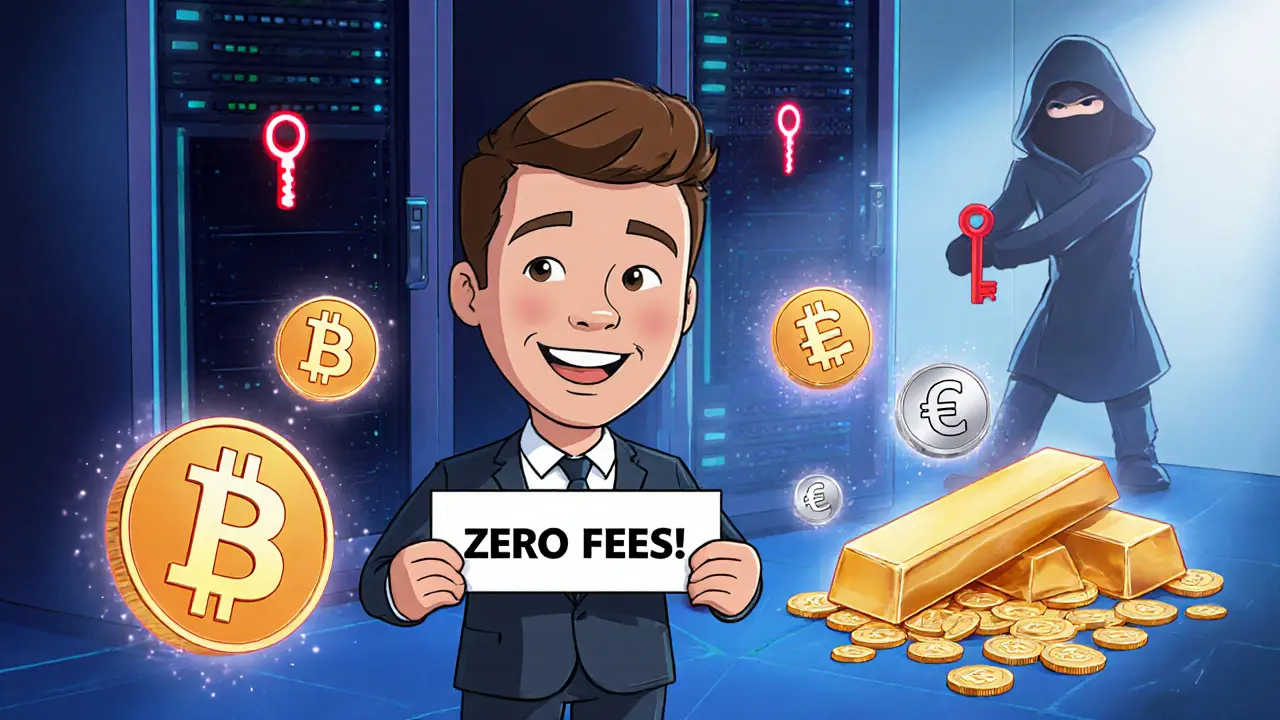
Lykke Exchange Crypto Exchange Review: What Went Wrong and Why It’s Dead
Lykke Exchange promised zero fees and multi-asset trading but collapsed after a $19.5 million hack in 2024. Learn why it failed, what happened to users' funds, and how to avoid similar crypto exchange risks.
- 17
- Read More