OJK Crypto Regulation: What It Means for Indonesian Crypto Users
When it comes to OJK crypto regulation, the official cryptocurrency oversight framework set by Indonesia’s Financial Services Authority. Also known as OJK digital asset rules, it’s the only legal lens through which crypto trading, exchanges, and investments are viewed in Indonesia. Unlike countries that ban crypto outright, Indonesia lets you own and trade it—but only through licensed platforms. That’s the core of the rule: no chaos, no unregulated platforms, no anonymous trading. If you’re using Binance, KuCoin, or any foreign exchange, you’re technically breaking the law. The OJK doesn’t care if you think it’s safe or convenient. They care if it’s registered.
The OJK crypto policy, a strict licensing system for crypto asset exchanges. Also known as Bappebti crypto licensing, requires every platform operating in Indonesia to get approval from both the OJK and Bappebti, the commodities futures regulatory body. This isn’t a suggestion. It’s a legal requirement. That’s why platforms like Indodax and Pintu are the only ones you’ll see promoted in local ads—they’re the only ones with the paperwork. Unlicensed exchanges? They’re not just risky—they’re illegal, and users can be held responsible if they’re caught using them. The OJK doesn’t just care about who’s running the exchange. They care about how your money moves. Every transaction must go through a licensed gateway. Wallets that aren’t tied to these platforms? Not protected. Airdrops from overseas projects? Technically not recognized. Even holding crypto in a personal wallet isn’t illegal, but if you sell it without going through a licensed exchange, you’re in gray territory.
What’s missing from the OJK’s rules? Clear guidance on taxes, DeFi, and NFTs. The regulation focuses on spot trading and exchange platforms. It says nothing about staking, yield farming, or smart contracts. That’s why most Indonesian crypto users either stick to simple buys and sells—or operate in silence. There’s no official stance on whether earning interest on crypto counts as income. No one’s been fined for using Uniswap, but no one’s been told it’s safe either. The OJK’s silence on these areas creates a wild west for advanced users, even as the rules tighten for beginners.
You’ll find posts here that dig into exactly this gap. Some cover fake exchanges pretending to be OJK-approved. Others expose how users bypass the system with cash trades or peer-to-peer platforms. There’s even a breakdown of how Indonesia’s rules compare to Tunisia’s outright ban or North Korea’s state-run hacking. The collection doesn’t just list what the OJK says—it shows what people actually do when the rules don’t match reality.
Whether you’re new to crypto in Indonesia or you’ve been trading for years, the OJK crypto regulation affects you. It decides whether your money is protected. It determines if your favorite app is legal. And right now, it’s the biggest factor in whether you sleep well at night—or worry about the next government crackdown. Below, you’ll find real reviews, warnings, and deep dives into what’s working, what’s broken, and who’s getting caught in the middle.
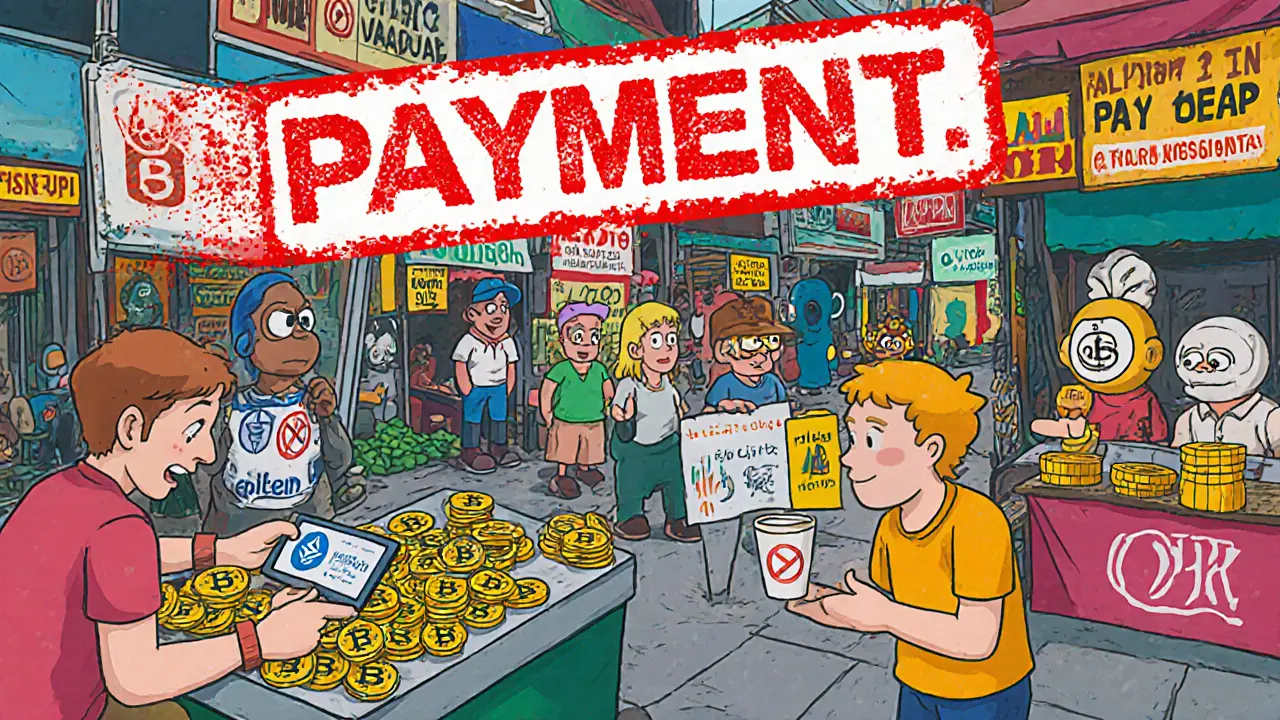
Indonesia Crypto Payment Ban Explained: Why Crypto Can't Be Used for Payments Despite Legal Trading
Indonesia bans cryptocurrency for payments but allows regulated trading under OJK. Learn why the ban exists, how trading works legally, tax changes in 2025, and what’s next for crypto in the country.
- 23
- Read More