Crypto Exchange Scam: How to Spot Fake Platforms and Avoid Losing Your Crypto
When you hear crypto exchange scam, a fraudulent platform designed to steal your cryptocurrency by pretending to be a real trading site. Also known as fake crypto exchange, it often looks professional—complete with fake reviews, cloned logos, and even customer support chatbots. But behind the surface, there’s no real trading engine, no secure wallet, and no way to withdraw your funds. These scams don’t target beginners only. Even experienced traders get fooled by sites that copy the design of Binance or Coinbase, then vanish overnight with deposits.
How do they work? Usually, they lure you with promises of high returns, zero fees, or exclusive airdrops. Once you deposit even a small amount of crypto, you’re locked in. Withdrawal buttons disappear. Support emails go unanswered. And the site? Gone—along with your money. Look at EtherMuim, a fake Ethereum exchange that tricked users into sending ETH to a wallet controlled by scammers. Or Rokes Commons Exchange, a platform with zero regulatory records, no public team, and no user reviews—just a website built to collect deposits. These aren’t anomalies. They’re standard operating procedure for crypto scams.
Real exchanges don’t hide. They list their headquarters, license numbers, and security audits. They have active social media, verified user testimonials, and transparent trading volumes. If a site doesn’t show you any of that, it’s not worth your time. Watch for red flags: no mobile app, no KYC process, domain names that misspell well-known platforms, or pressure to deposit fast. And never trust a platform that asks you to send crypto to an address they control before you’ve even traded.
Some scams aren’t even websites—they’re Telegram groups, Discord servers, or YouTube ads pushing fake links. You might click on a "Mangata Finance" link thinking it’s the real Polkadot DEX, only to land on a clone that steals your private keys. Even legitimate projects like Armoney, a name often confused with Harmony (ONE) or a scam called BTC Armani Nova get hijacked by fraudsters using similar-sounding names to catch the careless.
The best defense? Always double-check. Search the exchange name + "scam" or "review". Look for independent audits—not just testimonials on the site itself. Check CoinMarketCap or CoinGecko to see if the exchange is listed there. And if it’s not, assume it’s unsafe. You don’t need to trade on every new platform. Stick to the ones with years of history, clear teams, and real user feedback.
Below, you’ll find real case studies of exchanges that died, scams that were exposed, and platforms that looked real but weren’t. Each one shows a different trick scammers use. Learn from them. Your crypto is worth protecting.
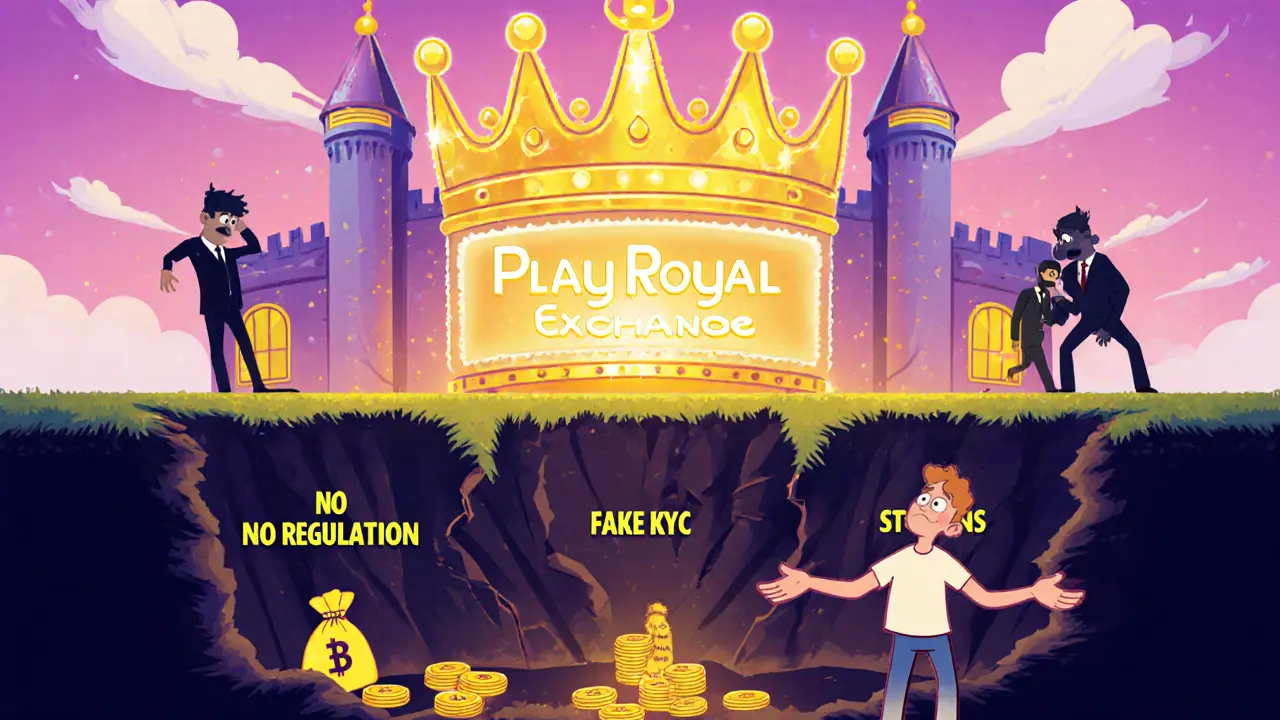
Play Royal Exchange Crypto Exchange Review: Is It Legit or a Scam?
Play Royal Exchange is not a legitimate crypto exchange-it's a scam. Learn the red flags, how it tricks users, and which real exchanges you can trust instead.
- 15
- Read More