Imagine buying a slice of a luxury apartment in New York or a commercial warehouse in London for just $1,000. You don’t need a mortgage, you don’t deal with a landlord, and you can sell your share instantly on a global market. This isn’t science fiction anymore. It’s Real Estate RWA Tokenization, the process of converting physical buildings into digital tokens on a blockchain. As of late 2024, the market for these tokenized assets hit $13.5 billion, growing by over 60% in a single year. By 2030, experts project this sector could unlock trillions in previously illiquid capital.
If you’ve ever wanted to invest in real estate but found yourself priced out by high down payments and complex paperwork, this technology is changing the game. But how does it actually work? Is it safe? And more importantly, is it right for your portfolio? Let’s break down what’s happening behind the scenes.
What Exactly Is Real Estate Tokenization?
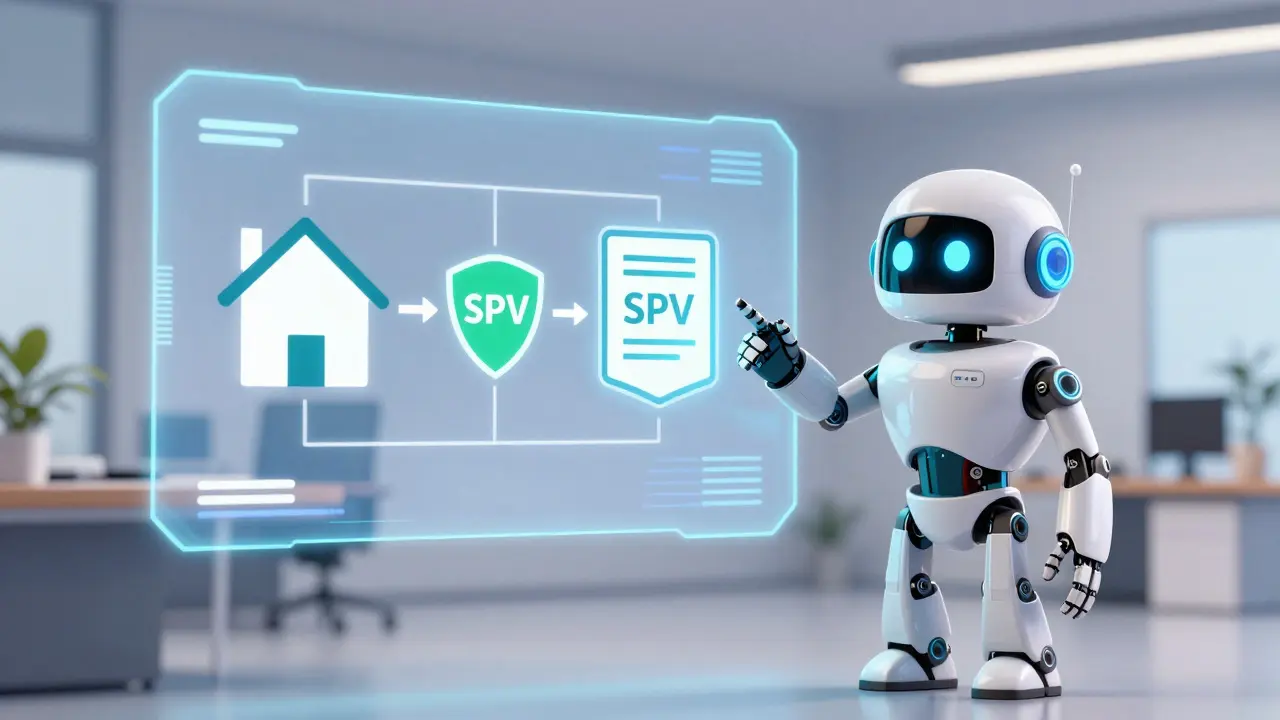
At its core, tokenization turns a physical asset-like a building-into a digital representation that lives on a blockchain network. Think of it like a pizza. Traditionally, if you want to own a pizza (the building), you have to buy the whole thing. With tokenization, the pizza is cut into 10,000 slices (tokens). Each slice has equal value and rights. If the pizza shop makes money from selling toppings (rent), every slice owner gets a proportional share of that profit.
This concept relies heavily on blockchain technology, which provides an immutable ledger where ownership records cannot be tampered with. Unlike traditional deeds stored in dusty county offices, these records are transparent and accessible globally. The most common standard used today is ERC-20 on the Ethereum network, though other chains are catching up. These tokens function similarly to shares in a company, but instead of owning a piece of a corporation, you own a fraction of a specific brick-and-mortar asset.
The Step-by-Step Process: From Building to Blockchain
Turning a skyscraper into code isn’t magic; it’s a structured legal and technical process. Here is how major platforms like Brickken and Securitize handle it:
- Asset Selection & Valuation: A property is chosen-usually commercial real estate, residential complexes, or development projects. Independent appraisers determine its current market value.
- Legal Structure (The SPV): This is the most critical step. A Special Purpose Vehicle (SPV) is created. This is a separate legal entity that holds the title to the physical property. The tokens represent shares in this SPV, not direct ownership of the bricks. This ensures compliance with local laws.
- Token Minting: Developers write smart contracts using languages like Solidity. These self-executing codes define the rules: who can buy, when dividends are paid, and how votes are cast. The tokens are then generated on the blockchain.
- Oracle Integration: To connect the digital world with the physical one, Oracle networks like Chainlink are often used. They feed real-world data (like rental income figures) into the smart contract so payouts happen automatically.
- Distribution: Tokens are listed on digital marketplaces. Investors use crypto wallets to purchase them, and the funds flow directly to the SPV.
This entire process typically takes 90 to 150 days, with the legal verification phase consuming about 70% of that time. The cost to tokenize a single asset ranges from $75,000 to $250,000, which is why you mostly see larger commercial properties rather than single-family homes being tokenized right now.
Why Investors Are Flocking to Tokenized Real Estate
Traditional real estate investment has always been exclusive. You needed hundreds of thousands of dollars for a down payment, months for closing, and years to build equity. Tokenization flips this model on its head.
| Feature | Traditional Investment | RWA Tokenization |
|---|---|---|
| Entry Barrier | $50,000 - $500,000+ (Down Payment) | $100 - $1,000 (Fractional Ownership) |
| Liquidity | Months to sell (Illiquid) | Minutes to hours (24/7 Global Markets) |
| Transparency | Paper-based, opaque records | Immutable blockchain ledger |
| Fees | 3-6% Broker commissions + Closing costs | Platform fees (~0.5-2.5%) + Gas fees |
| Access | Local/National only | Global (subject to KYC/AML) |
The biggest draw is liquidity. In the past, if you bought a building and needed cash quickly, you were stuck. Now, if a platform supports secondary trading, you can sell your tokens instantly. Another major benefit is diversification. Instead of putting all your money into one house in your hometown, you can own fractions of ten different buildings across five countries. This spreads risk significantly.
Major financial institutions are taking notice. BlackRock launched its BUIDL fund in late 2023, initially focusing on treasuries but expanding into real estate concepts. JPMorgan has piloted tokenized commercial mortgages. When giants like this move in, it signals that the technology is moving from "experimental" to "essential."
The Risks: What Could Go Wrong?
It sounds perfect, so where’s the catch? There are significant hurdles that keep this from being mainstream overnight.
Regulatory Uncertainty is the biggest elephant in the room. As of mid-2024, only about 37% of global markets have clear frameworks for RWA tokenization. In the U.S., the SEC views many real estate tokens as securities, meaning they must comply with strict federal regulations. In Europe, the MiCA regulation (effective Dec 2024) provides a clearer path, but cross-border conflicts remain tricky. If you buy a token for a building in Dubai while living in Texas, whose laws apply if things go south?
Smart Contract Risks also exist. While blockchains are secure, the code running on them can have bugs. If a developer makes a mistake in the smart contract logic, funds could be locked or drained. Always check if the platform’s contracts have been audited by reputable firms.
Liquidity Illusions are another trap. Just because you *can* list a token for sale doesn’t mean someone will buy it immediately. Early user feedback from forums like Reddit highlights frustration with lock-up periods (sometimes 90 days) and thin trading volumes on secondary markets. If no one wants to buy your slice, you’re still stuck holding it.
How to Get Started Safely
If you’re ready to dip your toes in, follow these steps to protect yourself:
- Choose Regulated Platforms: Stick to established players like Securitize, Brickken, or RealT. Avoid unknown startups promising guaranteed high returns.
- Understand the Legal Wrapper: Read the fine print. Do you own shares in an SPV? Is the underlying property insured? Who manages the tenants? The best platforms partner with traditional property managers (like JLL) to handle the physical side.
- Start Small: Treat this as a learning experience. Invest an amount you can afford to lose while you understand the mechanics of wallet management and gas fees.
- Check Tax Implications: The U.S. Treasury issued guidance in Oct 2024 clarifying tax treatment, but it’s still complex. Capital gains taxes may apply differently to digital assets compared to traditional real estate. Consult a tax professional.
The learning curve is moderate. Experienced crypto users usually grasp the basics in 8-12 hours, while traditional investors might need 20-30 hours to understand the difference between holding a deed and holding a token.
The Future Outlook: 2025 and Beyond
We are currently in what Gartner calls the "Slope of Enlightenment" for blockchain tech. The hype is settling, and real utility is emerging. By 2027, Deloitte predicts that 25% of new commercial real estate joint ventures will use tokenization to onboard investors, cutting capital formation time from months to weeks.
Look out for two key developments in 2025-2026:
- CBDC Integration: Central Bank Digital Currencies will likely become the settlement method for these trades, making transactions faster and cheaper than using volatile cryptocurrencies like Bitcoin or Ethereum.
- Standardization: The Blockchain Association introduced the Real Estate Tokenization Standard (RETS) in May 2024. This aims to create uniform valuation and reporting practices, reducing the confusion that currently plagues the industry.
While challenges remain, the trajectory is clear. Real estate RWA tokenization is not a fad; it’s a fundamental shift in how we view ownership. It democratizes access, increases efficiency, and brings transparency to one of the world’s largest markets. Whether you’re a seasoned investor or a first-time buyer, keeping an eye on this space is no longer optional-it’s essential.
Is real estate tokenization legal?
Yes, but it depends on your jurisdiction. In regions like Switzerland, Singapore, and parts of the US (Wyoming, Colorado), there are clear legal frameworks. Most platforms use Special Purpose Vehicles (SPVs) to ensure tokens comply with existing securities laws. Always verify the regulatory status of the platform you choose.
What happens if the physical building is damaged?
The underlying asset should be insured through the SPV. Insurance payouts would go to the SPV and then be distributed to token holders proportionally. However, this varies by platform, so check the insurance details before investing.
Can I sell my tokens anytime?
Not necessarily. Many platforms impose lock-up periods (e.g., 6-12 months) to prevent short-term speculation. After the lock-up, you can sell on secondary markets, but liquidity depends on buyer demand. Some tokens trade 24/7, while others have limited trading windows.
How do I receive rental income?
Rental income is collected by the property manager, deposited into the SPV, and then distributed to token holders via smart contracts. This usually happens monthly or quarterly. You’ll need a compatible crypto wallet to receive these payments, often in stablecoins or fiat-linked tokens.
What are the fees associated with tokenized real estate?
Fees typically include a one-time issuance fee, annual management fees (0.5-2.5%), and transaction fees for buying/selling tokens. Blockchain network fees (gas fees) also apply when transferring tokens. Compare these against traditional broker fees (3-6%) to see the potential savings.