Remember the smell of soldering iron and static electricity in old electronics shops? That feeling hits hard when you see the RadioShack name pop up again, but this time in the world of digital assets. In 2026, the iconic electronics brand has attempted to ride the blockchain wave with its RADIO Token. However, before you send your funds, we need to clear up exactly what you are actually buying here.
You aren't clicking into a traditional centralized exchange like Coinbase or Binance. You are entering a complex web where a multi-chain token mimics some exchange features through liquidity pools. The main issue right now is clarity. Most users searching for a "RadioShack Crypto Exchange" want a safe place to swap coins and hold them long-term. While the vision sounds cool, the execution has gaps that could cost you money if you ignore them.
Understanding the RadioShack Protocol Structure
The first thing to grasp is the distinction between a company and a protocol. The original RadioShack was a retail giant. The crypto version claims to bridge the gap to mainstream usage, essentially trying to make crypto feel as familiar as buying a battery pack in a physical store. This mission statement implies a focus on usability, which is great on paper.
However, the technical implementation relies heavily on decentralized infrastructure. Instead of one central server holding your funds, your RADIO Token lives across several blockchain networks simultaneously. This means the "exchange" isn't a single website with a login; it's a collection of smart contracts spread out over different ecosystems. Understanding this difference is crucial because it changes how you deposit money and manage security.
If you are used to logging into an account with two-factor authentication and customer support, this feels very different. Here, you manage your own keys. The lack of a centralized custodian means you have full control, but it also means zero hand-holding if something goes wrong. This setup is typical for DeFi projects, yet the branding leans heavily on the trust people still have from their childhoods. Don't let the nostalgic logo lower your guard against standard DeFi risks.
Cronos Network and Multi-Chain Availability
A key selling point for this project is its presence on the Cronos Chain. Cronos is built by Crypto.com and focuses on being EVM-compatible, meaning it works similarly to Ethereum but usually cheaper and faster. By anchoring the token here, they tap into a community already active in the ecosystem.
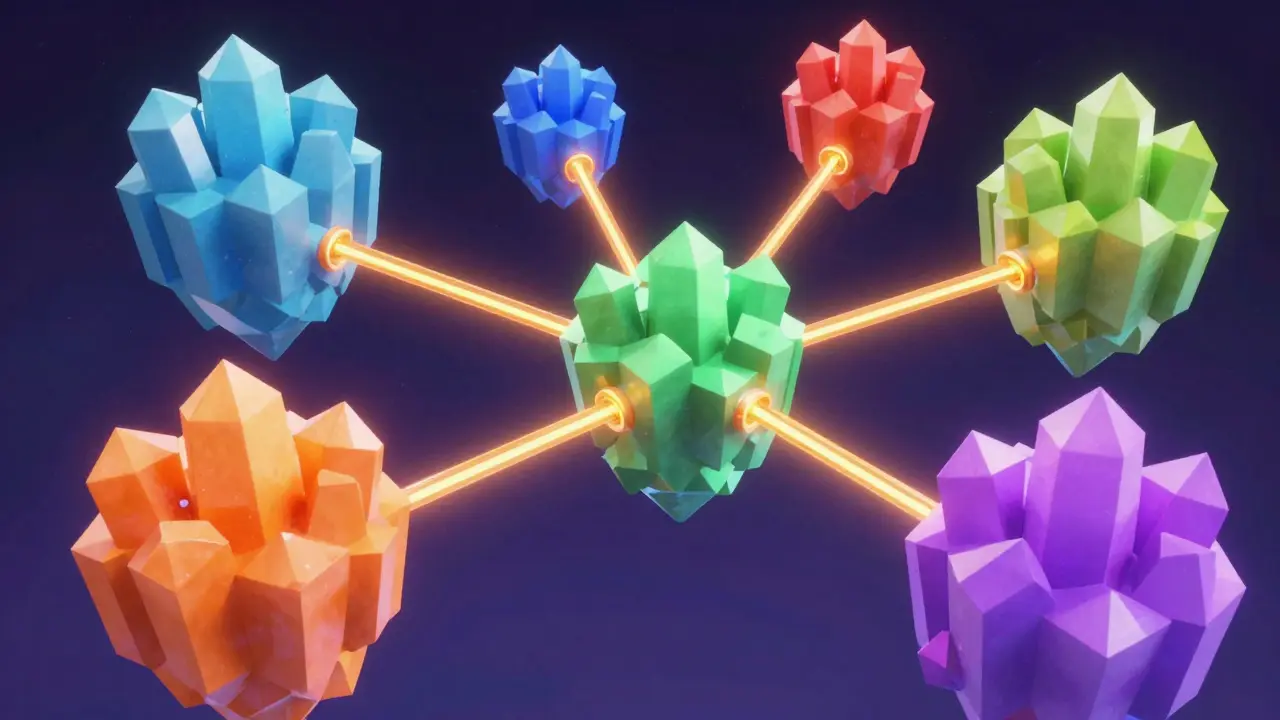
But the project doesn't stop there. If you look at the token's distribution, you will find it mirrored on other major networks:
- Ethereum: The original home of many DeFi projects, known for high security but expensive gas fees during congestion.
- Polygon: A layer-2 solution offering instant confirmations and negligible costs.
- Avalanche: Known for speed and high throughput for complex applications.
- Binance Smart Chain (BSC): Widely used for lower fees and fast swaps.
This multi-chain strategy is designed to prevent network failures from locking your funds. If the Cronos network faces downtime, your asset technically exists elsewhere. However, it complicates things for beginners. Moving tokens between these networks often requires bridging tools, which introduces their own set of slippage risks and transaction delays. You aren't just buying once; you're choosing an entire ecosystem to interact with.
Price Trends and Market Predictions for 2026
When evaluating any crypto asset, you have to look at the numbers. As we sit in early 2026, the market behavior of the RADIO token suggests high volatility. Analyst models projecting values show a wide range, indicating uncertainty about the project's long-term adoption. The lower-end forecasts suggest prices could dip to around $0.000014, while optimistic scenarios push toward $0.000049 within the current year.
This price action isn't unique to RADIO; small-cap tokens often swing wildly based on social media hype rather than fundamental product updates. The wider projection for the next few years spans $0.000028 to $0.000141. These figures highlight the speculative nature of the investment. For context, an experimental simulation suggests a 7.46% rise under favorable conditions, but that depends heavily on market sentiment shifting towards legacy-branded projects.
You need to ask yourself: What drives value here? If the utility isn't expanding beyond simple trading pairs, the price will likely remain tethered to general market trends rather than independent growth. Unlike established giants like Bitcoin or Ethereum, this token lacks decades of historical data. Every percentage point move is magnified because the total supply and market cap are relatively smaller compared to blue-chip assets.
Security and Transparency Issues
This is where the review gets critical. A legitimate financial tool requires proof of security. Currently, public records do not contain detailed security audits for the RadioShack smart contracts. Audits are reports written by third-party firms that check code for bugs or hacks. Without these visible on the official site, you are taking a leap of faith regarding the contract's integrity.
We also have to address the regulatory environment. The project operates in a grey area depending on your jurisdiction. Since it functions through DeFi protocols rather than a registered bank entity, standard banking protections don't apply. In regions with strict crypto laws, accessing or holding certain tokens can trigger compliance checks or tax implications. You must verify local regulations before moving forward.
Customer support is another black box. Traditional exchanges offer chat tickets and phone lines. Decentralized protocols offer GitHub issues and Discord communities. While communities are helpful, they are not legally liable for your lost funds. If you lock your wallet password or send tokens to the wrong address, there is no help desk. This operational model shifts all risk management onto your shoulders.
| Feature | RadioShack Protocol | Centralized Exchanges (CEX) |
|---|---|---|
| Custody | Self-custody (Wallet) | Managed by Platform |
| Accessibility | Multi-chain (Web 3.0 Wallets) | Single Login Portal |
| Fees | Gas + Transaction Fees | Maker/Taker Fees |
| Support | Community/Discord | Dedicated Support Team |
While the table above highlights structural differences, it doesn't capture the user experience gap. New users often confuse the "exchange" label in the title with a simple trade interface. On RadioShack's multi-chain setup, you often need to connect a wallet like MetaMask or Trust Wallet and navigate DEX aggregators. It requires a learning curve that traditional finance users aren't prepared for.
Alternatives and Competitors
Comparisons often surface against platforms like xExchange, which serves as a benchmark for comparison sites. However, direct competition is tricky because xExchange typically aggregates data rather than hosting a single token ecosystem. The real competitors for RADIO are other meme-inspired or rebranded tokens on the Cronos chain.
Looking at broader options, established networks like Uniswap or PancakeSwap offer similar functionality without the reliance on a specific legacy brand. They often have deeper liquidity and tighter security audits. Using these established gateways reduces the risk of rug pulls or failed smart contracts, though you lose the branding novelty. Your choice depends on whether you want exposure to a niche project or stability in the DeFi sector.
How to Navigate the Ecosystem Safely
If you decide to proceed, you must treat every transaction as practice money. Here is the safer path forward:
- Verify Contract Addresses: Never click links in emails. Always copy addresses from verified repositories like CoinGecko.
- Start Small: Test with a minimal amount to understand the bridging process and fees.
- Use Hardware Wallets: Devices like Ledger or Trezor add a layer of security against phishing attempts targeting software wallets.
- Monitor Gas Fees: Since the token spans Ethereum and others, costs vary wildly. Wait for off-peak hours.
Keep in mind that "bridging" is the most vulnerable part of this process. When you move tokens from Cronos to Ethereum, you are using middleware that could theoretically fail. Ensure you understand the bridge provider you are using before connecting your wallet.
Frequently Asked Questions
Is RadioShack Crypto the same as the old electronics store?
Not entirely. While it uses the famous brand name, the project operates independently through blockchain technology. It is a digital asset initiative rather than a continuation of the physical retail chain.
Which blockchain does RadioShack operate on?
It is available on multiple chains including Cronos, Ethereum, Polygon, Avalanche, and Binance Smart Chain. This allows users to access the token regardless of their preferred network.
Is there customer support for lost funds?
No traditional support exists. As a decentralized protocol, you are responsible for your own private keys. Recovering lost funds is generally impossible if credentials are lost.
What is the predicted price for 2026?
Forecasts suggest a range between $0.000014 and $0.000049. However, these are speculative estimates subject to market volatility and unpredictable external factors.
Can I buy this on Coinbase or Binance?
Availability varies. It is primarily traded on decentralized exchanges and multi-chain platforms rather than major centralized exchanges like Coinbase or Binance, so you will likely need a Web3 wallet.
Zackary Hogeboom
March 29, 2026 AT 09:19I've been looking into the multi-chain setup and it seems like a solid move for accessibility but the lack of unified custody is really concerning for retail investors.
People expect the same ease as the old physical stores but connecting wallets to seven different networks introduces a lot of friction points.
Has anyone tested the stability of the Cronos bridge recently because downtime could lock funds while prices swing?
The nostalgia factor is definitely clouding judgment on the actual utility offered by the protocol itself.
Raymond K
March 29, 2026 AT 15:53i totally think we should give this a shot because the history is amasing and honestly people forget how much innovation happend back in the nienties when radishack was everwhere and i rember my dad tking me there to bvy walkee talkys and that memery is specal so maybey this new tokn is jyst a way to kep the spiryt aliev eeven if the techh is scarry but hey nothung new cmees widtouth risk rite? i bet tey hav gud devs wokring hrd behinnd the scenzs to mak the brigdes safe so peaze dont be so scarred of loosing mneey beeause you can alwayz jyst tst wiv smll amts frst and tat iz wot smart invz do anywaee so whynot try yt out wit jyst five bux to sie ho it felz and if it crasz wlll thn u lerned sometnew todey whitc is alsu growtz and lieff is all abou lt arning lesns frm mitaks isnt it? also te logoo lkks awessum comapred to otehr borkoin coins so visuall apeel matrs to
Tiffany Selchow
March 30, 2026 AT 18:01This is just another cash grab selling off the brand name for quick crypto profits.
Justin Garcia
March 31, 2026 AT 21:02Selling dead companies as tokens is predatory behavior targeting the elderly demographic who still trust these logos blindly.
Financial literacy is nonexistent in this space.
Jamie Riddell
April 1, 2026 AT 12:58Interesting perspective on the nostalgia aspect its definitely a strong marketing hook
just hope the underlying tech delivers on promises otherwise trust erodes quickly
Chris R
April 3, 2026 AT 09:30Adoption rates in emerging markets might favor simpler interfaces regardless of chain complexity though.
Markus Church
April 4, 2026 AT 01:10One must observe that the Cronos ecosystem integration suggests a strategic alignment rather than a random venture.
EVM compatibility remains the standard for interoperability in current DeFi architectures.
Justin Smith
April 4, 2026 AT 07:13Gas fees on Ethereum remain prohibitive for microtransactions making Polygon or BSC routes more viable for daily users.
Leah Lara
April 5, 2026 AT 19:31Not investing.
Wade Berlin
April 5, 2026 AT 20:15Oh great another legacy brand burning through IP value for a speculative asset nobody needs.
Ronald Siggy
April 7, 2026 AT 16:45We need to focus on risk mitigation strategies rather than just mocking the concept entirely since technology evolves.
Callis MacEwan
April 7, 2026 AT 22:39Liquidity depth on the DEX aggregators is critical for execution efficiency without significant slippage during high volatility periods.
Justin Garcia
April 9, 2026 AT 11:16Wait I replied to the wrong person earlier but yeah liquidity traps are rampant in these wrapped assets.
Alex Lo
April 11, 2026 AT 03:13i mean look at the price charts and they are super wonky right now but the idea of having your wallet linked to a famous name feels kinda cool even if you lose it all eventually because at least you tried something new and i read this blog post and thought wow this is complicated but also kind of neat to see where things are going and maybe one day this will become normal payment methods for buying batteries online or whatever so we cant be too harsh on projects trying to innovate despite the bugs present in early versions of software systems that often fail spectacularly under load conditions which we should remember happens frequently in crypto history books anyway so take it easy on yourself man
Jay Starr
April 11, 2026 AT 19:49I lost half my portfolio on a similar rebrand project last year and the stress ruined my sleep schedule completely.
Please exercise extreme caution with these types of nostalgic investments.
Matt Bridger
April 11, 2026 AT 23:12Audit reports are conspicuously absent suggesting a potential governance failure at the developer level.
Lisa Miller
April 12, 2026 AT 20:24It is important to prioritize security checks before engaging with any unverified smart contract interactions personally.
Let us stay safe out there.
Joy Crawford
April 13, 2026 AT 22:50im nervous bout the regs tho maybe gov will step in soon :)
Beverly Menezes
April 15, 2026 AT 19:14Just follow the official website links carefully.