You just bought a rare NFT for $5,000. You feel good. Then you check your wallet balance and it’s zero. No error message. No warning. Just gone. This isn’t a glitch; it’s the reality of NFT marketplace security failing at the user level. In 2024 alone, fraud attempts jumped by 45%. By 2026, with the market valued over $14 billion, the stakes are higher than ever. Traditional banks give you chargebacks. Blockchains don’t. If you click the wrong link or sign the wrong transaction, your money is gone forever.
So, how do you actually keep your assets safe? It’s not about being paranoid. It’s about having a system. Let’s break down the specific practices that separate collectors who lose funds from those who sleep well at night.
The Hardware Wallet Rule
Here is a hard fact: if your NFT holdings exceed $5,000, stop using a browser extension wallet like MetaMask as your primary storage. John Wu, President of Ledger North America, stated clearly at the 2025 OneKey Security Summit that hot wallets become statistically vulnerable beyond this threshold. The data backs him up. Ledger’s internal analysis showed that only 0.02% of theft incidents involved properly used hardware devices, compared to 18.7% involving browser extensions.
Why the difference? Isolation. A hardware wallet like the Ledger Nano X (firmware 2.3.0) or Trezor Model T (firmware 2.6.1) keeps your private keys offline. Even if your computer gets infected with malware, the attacker can’t extract your keys because they never touch the internet. For smaller amounts, say under $500, a hardened hot wallet might suffice, but you need to treat it differently.
- Cold Storage: Use for long-term holds. Never connect directly to new dApps without checking the contract address first.
- Hot Wallets: Use for active trading. Keep only what you plan to spend within days. Enable biometric authentication and use a 20-character password minimum.
- Segregation: Don’t mix categories. Keep your high-value PFPs on one account and experimental mints on another. If one gets drained, the other stays safe.
Smart Contract Verification and Audits
Not all contracts are created equal. Etherscan reported that 78% of fraudulent NFT projects in Q1 2025 deployed unverified contracts. Legitimate projects? 92% underwent third-party audits. When you buy an NFT, you aren’t just buying an image; you’re interacting with code. If that code has a backdoor, you’re exposed.
Before you buy, check two things. First, is the contract verified on Etherscan or Solscan? Verified means the source code matches what’s on the blockchain. Second, was it audited? Firms like OpenZeppelin conduct these checks. An audit costs between $15,000 and $50,000. If a project skips this step, ask yourself why. They might be cutting corners, or they might be hiding something.
| Feature | Verified & Audited | Unverified |
|---|---|---|
| Fraud Risk | Low (<5%) | High (>75%) |
| Transparency | Source code public | Opaque/Unknown |
| Cost to Project | $15k-$50k | $0 |
| User Trust | High adoption | Susceptible to rug pulls |
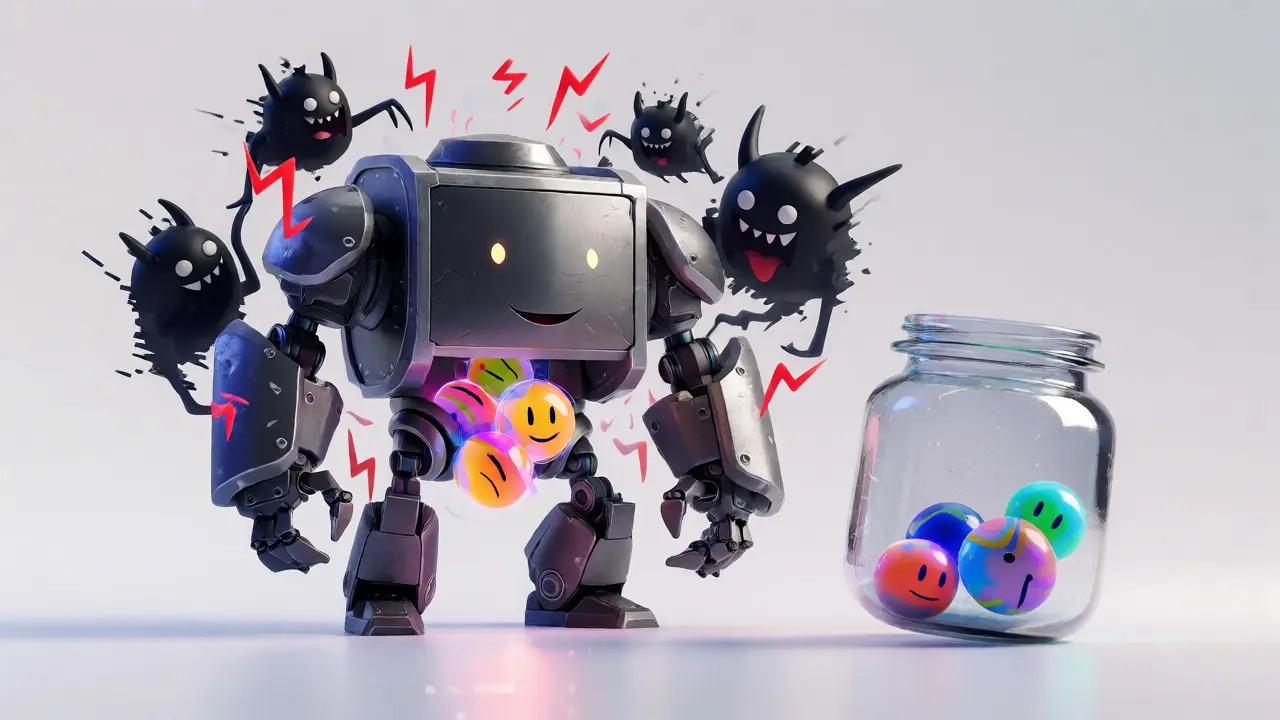
Mastering Token Approvals
This is where most people get caught. Dr. Sarah Jamie Lewis, a blockchain security researcher, noted that the massive Bored Ape Yacht Club phishing attack succeeded because 87% of victims approved unlimited token allowances. They didn’t realize they were giving a random website permission to move any future NFT they owned.
Think of approvals like giving someone your house key. Unlimited approval means they can come in anytime, take anything, and leave. Specific quantity approval means they can only take one item. Always opt for specific quantities when possible. But even better, clean up your mess regularly.
Use tools like Etherscan’s Token Approval Checker. Numen Cyber found that the average user had 14.3 active permissions they didn’t recognize. Each one is a potential vulnerability. Revoking unused approvals reduces your attack surface significantly. Make this a monthly ritual. Set a reminder on your phone. It takes ten minutes and could save you thousands.
The Skepticism Filter and Phishing Defense
Check Point Research introduced the "Skepticism Filter" framework. The rule is simple: unexpected opportunities trigger verification. Did you get a free airdrop? Did the team announce an emergency migration via Discord DM? Slow down. 92% of fraudulent projects use urgency tactics like countdown timers to make you act before you think.
Phishing is evolving. It’s no longer just fake websites. It’s deepfakes. Check Point’s May 2025 forecast highlighted "deepfake verification" threats, where AI-generated videos impersonate project founders to authorize fraudulent contract migrations. These attacks already caused $473,000 in losses during test incidents.
How do you fight this? The Five-Minute Rule. Before signing any transaction, verify through three independent sources. Check the official Twitter/X account, the official Discord server, and the project’s website. Do not click links sent in DMs. Go directly to the URL you know is correct. Bookmark it. Type it out. Never trust a link sent to you, even if it looks like it came from a friend.

Platform-Specific Security Features
Different marketplaces handle security differently. Knowing these nuances helps you choose where to trade.
OpenSea launched "Transaction Guard" in May 2025. This feature automatically flags high-risk operations based on 127 behavioral indicators. It blocked over 4,000 attempted thefts in its first 72 hours. However, it’s not perfect. Only 22% of users regularly utilize the "Preview Transaction" feature, despite it being 89% effective at stopping malicious interactions.
Rarible took a different approach. They simplified permission management, resulting in a 41% reduction in user-reported thefts. Their multi-sig treasury management requires 3-of-5 validator approvals for platform changes, adding a layer of institutional safety.
Foundation mandates KYC (Know Your Customer). This reduced scam listings by 82% but increased friction. Some creators dislike the lack of anonymity, leading them to dual-list on less secure platforms. Weigh the trade-off: do you want maximum security and identity exposure, or more freedom and higher risk?
Building Your Personal Security Protocol
Setting up a secure environment takes time-roughly 10 to 15 hours according to 101 Blockchains’ framework. But once set up, it becomes second nature. Here is your checklist:
- Seed Phrase Backup: Write your 24-word seed phrase on metal, not paper. Paper burns. Metal survives. Invest $25-$100 in a steel backup plate.
- Authenticator Apps: Ditch SMS 2FA. Use apps like Authy. SMS is vulnerable to SIM swapping attacks.
- Network Hygiene: Use WPA3-encrypted Wi-Fi. Install DNS filtering services like Cloudflare Gateway ($20/month) to block known malicious domains.
- Browser Extensions: Use Privacy Badger to block tracking scripts that could facilitate session hijacking.
A Carnegie Mellon University study found that users who completed comprehensive security checklists reduced successful attack rates by 89%. It’s not magic. It’s mechanics. Follow the steps, and you drastically lower your odds of becoming a statistic.
Do I really need a hardware wallet for small NFT collections?
If your total collection value is under $500, a secured hot wallet with strong passwords and 2FA may suffice. However, experts recommend hardware wallets for any holding exceeding $5,000 due to the statistical increase in vulnerability for hot wallets at that price point.
What happens if I revoke a token approval I actually need?
Nothing bad happens permanently. You simply lose the ability to interact with that specific contract until you approve it again. You will need to pay a small gas fee to re-approve the token. It is safer to revoke unnecessarily than to leave a risky approval active.
Are blue-checkmark collections on OpenSea always safe?
Blue checks indicate the collection creator has been verified by OpenSea, which reduces counterfeit listings by 94%. However, it does not guarantee the underlying smart contract is bug-free or that the project won't rug pull. Always verify the contract code independently.
Can AI deepfakes really steal my NFTs?
Yes. Deepfake technology is now used to create realistic video calls or social media posts from project founders. Scammers use these to trick users into approving malicious contract migrations. Always cross-reference announcements across multiple official channels before acting on video-based instructions.
Is SMS 2FA enough for NFT accounts?
No. SMS 2FA is vulnerable to SIM swapping, where attackers port your phone number to their device to intercept codes. Authenticator apps like Authy or Google Authenticator are significantly more secure because they rely on local generation rather than carrier networks.