You might have seen whispers about a DeFi11 airdrop hosted by the CoinMarketCap community. In the crypto world, a surprise windfall of free tokens is the ultimate draw, but it is also the most common way people lose their wallets. Before you connect your private keys to any site promising free D11 tokens, you need to look at the actual data. The short answer? There is no evidence that this airdrop exists, and the red flags are screaming.
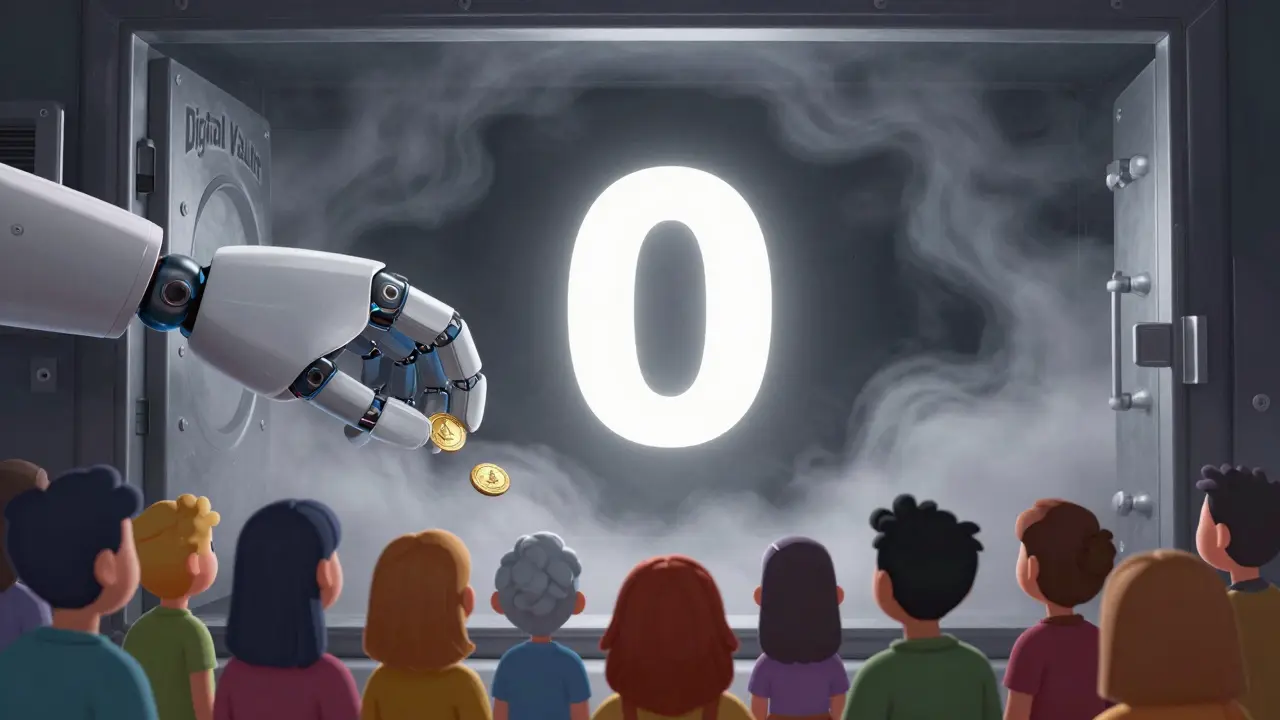
To understand why this is likely a trap, we have to look at the state of the D11 token. If you check the official listings, you will see something very strange: a total supply of 275 million tokens, but a circulating supply of exactly 0. In plain English, that means not a single D11 token is currently moving in the open market. How can a project distribute an airdrop if there are no tokens available to give away?
The VulcanForged Acquisition and Token Dormancy
DeFi11 was designed as a gaming ecosystem for fantasy sports, NFT marketplaces, and peer-to-peer predictions. It aimed to fix the problems of centralized sports platforms-like rigged data or hidden reward pools-by using a decentralized mobile app. However, the project's trajectory changed when it was acquired by VulcanForged.
Usually, when a larger company acquires a smaller project, they either integrate the token into their own economy or phase it out. In the case of D11, the lack of any trading volume or market cap suggests the token has entered a dormant state. It exists on paper, but it isn't functioning as a live currency. If a token isn't being traded and has zero circulation, any "confirmed" airdrop announcement is almost certainly fake.
| Attribute | Current Value | Meaning |
|---|---|---|
| Total Supply | 275,000,000 D11 | The maximum amount of tokens created. |
| Circulating Supply | 0 D11 | No tokens are currently available to the public. |
| Market Status | Inactive | No active trading pairs on major exchanges. |
| Parent Entity | VulcanForged | The company that acquired the project. |
Spotting the Airdrop Red Flags
Legitimate airdrops follow a very specific pattern. They are announced on official social media channels, listed on the actual CoinMarketCap airdrop page, and usually require a "snapshot"-a record of who held a certain token at a specific time. None of these exist for DeFi11. If you search for a D11 snapshot or an official distribution timeline, you will find a total void.
Contrast this with the famous Uniswap airdrop of 2020. That event created thousands of eligible wallets and provided real, tradable value because the UNI token was actually live and circulating. The DeFi11 situation is the opposite. When you see an "airdrop" for a token with zero circulation, you are looking at a phishing attempt.
Here are the three biggest warning signs to watch for with this specific claim:
- The "Upfront Fee" Trick: If a site asks you to send a small amount of ETH or BNB to "verify" your wallet or pay a gas fee to receive your D11, it is a scam. Real airdrops never ask for money to give you money.
- Private Key Requests: Any platform asking for your seed phrase or private key to "unlock" your tokens is trying to steal your entire wallet.
- Ghost Communities: While a real airdrop creates a storm of activity on X (Twitter) and Reddit, the D11 community is silent. There are no active discussions, no developer updates on GitHub, and no genuine hype.
How D11 Was Supposed to Work
For those curious about what DeFi11 actually was, it used an ERC-20 utility token model. The idea was a deflationary system where the token's value would rise as more people played the games. The tokens were meant to handle contest fees, serve as a mandatory stake for registration, and provide loyalty rewards for users.
It was essentially a tool to keep the ecosystem honest. By requiring staking, the project hoped to deter "bad actors" from manipulating game data. However, these technical goals became irrelevant after the VulcanForged acquisition. The project's original vision for a chain-agnostic mobile app with a smart wallet has not seen public updates or technical releases in a long time.

Comparing D11 to Active DeFi Projects
It is easy to get confused because there are many tokens with similar names. For example, the DEFI token and HOME token are active, have real trading prices (like $0.0012 for DEFI), and maintain active markets. DeFi11 is fundamentally different. It lacks the basic building blocks of a live cryptocurrency: trading volume, market capitalization, and a community of users.
If you are hunting for airdrops, the safest bet is to stick to projects with high visibility and verified partnerships. If a project has been acquired and its token supply has dropped to zero circulation, it is no longer a viable candidate for a legitimate distribution event.
Is there a real DeFi11 airdrop on CoinMarketCap?
No. There is no official record of a DeFi11 (D11) airdrop on the CoinMarketCap airdrop page. Any third-party site claiming to offer a "community airdrop" for this token is likely a scam intended to steal your funds or private keys.
What happened to the D11 token?
DeFi11 was acquired by VulcanForged. Following the acquisition, the D11 token ceased to have a circulating supply, meaning it is no longer actively traded or distributed to the public.
Why is the circulating supply of D11 listed as 0?
A circulating supply of 0 means that no tokens are currently held by the public or trading on exchanges. This typically happens when a project is discontinued, dormant, or fully absorbed into another company's ecosystem.
Can I get D11 tokens from an exchange?
No. Because there is no circulating supply and no active trading pairs, you cannot buy or sell D11 tokens on any reputable cryptocurrency exchange.
How do I protect my wallet from fake airdrops?
Never share your seed phrase or private keys. Avoid clicking links from unverified social media accounts and never send "activation fees" to receive free tokens. Always verify airdrops directly on the official project website and trusted platforms like CoinMarketCap.

What to do next
If you have already connected your wallet to a suspicious D11 airdrop site, you should act immediately. Revoke all permissions for that site using a tool like Revoke.cash to ensure the scammers cannot continue to drain your funds. If you provided your seed phrase, your wallet is compromised; move any remaining assets to a brand new wallet address immediately.
For those looking for legitimate ways to earn tokens, focus on active ecosystems. Look for projects with a high circulating supply, a transparent roadmap, and a vocal community on GitHub and X. The "too good to be true" airdrops are almost always a doorway to a drained wallet.